

How to prevent mold growth on marble slabs?
May 15, 2025
Leave a message
Hey there! As a marble slabs supplier, I've seen my fair share of issues with mold growth on marble. It's a real headache for both us suppliers and our customers. Mold not only looks bad but can also damage the marble over time. So, I thought I'd share some tips on how to prevent mold growth on marble slabs.
Understanding Why Mold Grows on Marble
First off, let's talk about why mold loves marble. Marble is a porous stone, which means it has tiny holes and gaps on its surface. These pores can trap moisture, and where there's moisture, mold can thrive. Also, if the marble is in a place with poor ventilation and high humidity, it's like a party for mold.
Mold needs three things to grow: moisture, a food source, and the right temperature. Marble itself isn't really a food source for mold, but dust, dirt, and organic matter that settle on the marble can be. Once these things mix with the moisture in the pores, mold starts to grow.
Choosing the Right Marble
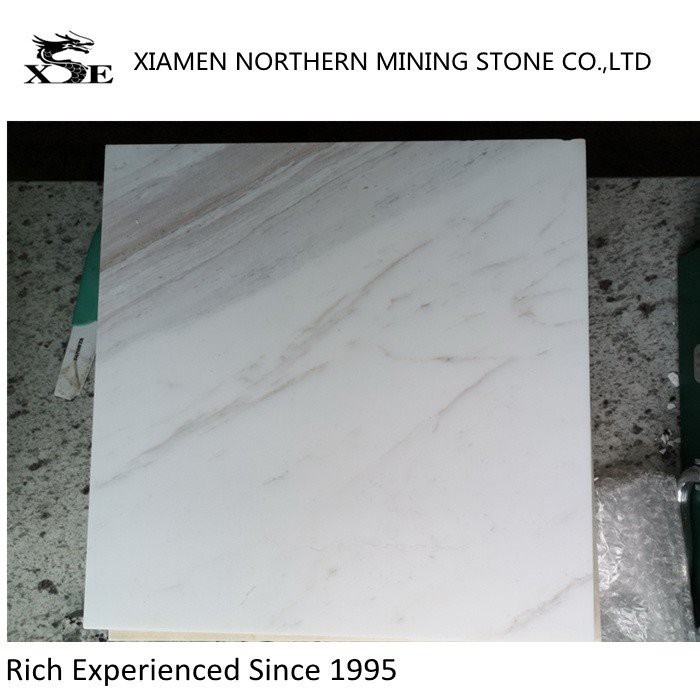
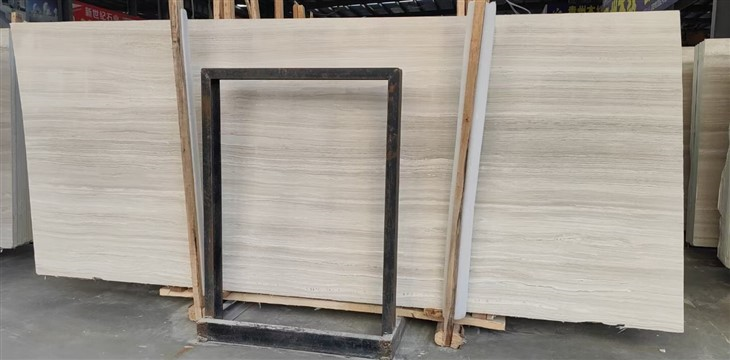
When you're picking marble slabs, it matters which type you choose. Some marbles are more porous than others. For example, Volakas White Marble is a relatively dense marble, which means it's less likely to absorb moisture compared to some other types. On the other hand, White Wood might be a bit more porous, so you need to be extra careful with it.
If you're in an area with high humidity, like a bathroom or a basement, it's a good idea to go for a denser marble. And if you're not sure, just ask us. We've been in the business for a while and can help you pick the right marble for your needs.

Proper Installation
How the marble is installed plays a huge role in preventing mold. First of all, the surface where the marble is going to be installed needs to be clean and dry. Any moisture or dirt on the base can get trapped under the marble and lead to mold growth.
The installer should also use the right adhesive. Some adhesives can hold moisture, which is a no - no. Make sure the adhesive is breathable and doesn't trap water. And don't forget about the grout. The grout lines between the marble slabs can be a breeding ground for mold if not done right. Use a high - quality, waterproof grout and seal it properly.
Regular Cleaning
Cleaning your marble slabs regularly is super important. Dust and dirt can accumulate on the surface, providing a food source for mold. Use a soft, damp cloth to wipe down the marble every few days. Avoid using harsh chemicals or abrasive cleaners because they can damage the marble's surface and make it more porous.
For a deeper clean, you can use a mild soap and water solution. Just make sure to rinse the marble thoroughly after cleaning to remove any soap residue. And don't let water sit on the marble for too long. Dry it off right away with a clean towel.
Controlling Humidity
As I mentioned earlier, humidity is a big factor in mold growth. If you're using marble in a bathroom or a kitchen, make sure you have good ventilation. Use exhaust fans when you're showering or cooking to remove the moisture from the air.
You can also use a dehumidifier in areas with high humidity. A dehumidifier helps to keep the moisture level in the air down, making it less likely for mold to grow on your marble slabs. Aim to keep the humidity level between 30% and 50%.
Sealing the Marble
Sealing your marble is one of the best ways to prevent mold growth. A good sealant creates a barrier on the surface of the marble, preventing moisture from getting into the pores. You should seal your marble slabs right after installation and then re - seal them every 1 - 2 years, depending on how much traffic the area gets.
There are different types of sealants available, so make sure you choose one that's suitable for marble. You can ask us for recommendations. We can point you in the right direction based on the type of marble you have and where it's installed.
Avoiding Standing Water
This might seem obvious, but it's really important. Don't let water stand on your marble slabs for any length of time. If there's a spill, clean it up right away. In a bathroom, make sure the shower floor drains properly and there's no water pooling around the edges of the marble.
If you have marble countertops in the kitchen, wipe up any water from washing dishes or preparing food as soon as possible. Standing water is a magnet for mold, so keep your marble dry.

Inspecting Regularly
Make it a habit to inspect your marble slabs regularly for any signs of mold. Look for small black or green spots, especially in the grout lines or in areas where water might collect. If you see any mold, don't panic. You can usually remove it with a mixture of vinegar and water. Just spray the solution on the mold, let it sit for a few minutes, and then scrub it gently with a soft brush.
If the mold is really bad or keeps coming back, it might be a sign of a bigger problem, like a leak or poor ventilation. In that case, you might need to call in a professional to take a look.
Using Natural Remedies
There are some natural remedies you can use to prevent mold growth on marble. For example, lemon juice has antibacterial and antifungal properties. You can mix a little lemon juice with water and use it to clean your marble. Just make sure to rinse it off well because the acid in the lemon juice can damage the marble if left on for too long.
Another natural option is tea tree oil. Mix a few drops of tea tree oil with water in a spray bottle and spray it on the marble. Tea tree oil can help to kill mold and prevent it from coming back.
Conclusion
Preventing mold growth on marble slabs isn't rocket science, but it does take a little effort. By choosing the right marble, installing it properly, cleaning it regularly, controlling humidity, sealing it, and being vigilant, you can keep your marble looking great for years to come.
If you're in the market for marble slabs, whether it's Volakas White Marble, White Wood, or Brown Marble Slab, we've got you covered. We offer high - quality marble at competitive prices. If you have any questions or want to discuss your project, feel free to reach out. We're here to help you make the best choice for your home or business.
References
- "Marble Care and Maintenance Guide" by Stone World Magazine
- "Preventing Mold Growth in Indoor Spaces" by the Environmental Protection Agency
- "The Science of Stone: Understanding Porosity in Marble" by the International Association of Stone Suppliers