

How to optimize Quartz performance?
Jul 15, 2025
Leave a message
Hey there! As a quartz supplier, I've seen firsthand how important it is to optimize quartz performance. Whether you're using quartz for countertops, flooring, or other applications, getting the most out of this versatile material can make a huge difference in your project. In this blog post, I'm gonna share some tips and tricks on how to optimize quartz performance based on my experience in the industry.
Understanding Quartz Basics
Before we dive into optimization strategies, let's quickly go over what quartz is. Quartz is a natural mineral that's incredibly hard and durable. When used in construction and design, it's usually combined with resins and pigments to create engineered quartz surfaces. These surfaces are known for their beauty, strength, and low maintenance requirements.
One of the key advantages of quartz is its non-porous nature. This means it doesn't absorb liquids easily, making it resistant to stains and bacteria. You can check out more about Non-Porous Quartz Stone on our website to learn about its unique features.
Choosing the Right Quartz for Your Project
The first step in optimizing quartz performance is choosing the right type of quartz for your specific application. There are different grades and finishes available, each with its own set of characteristics.
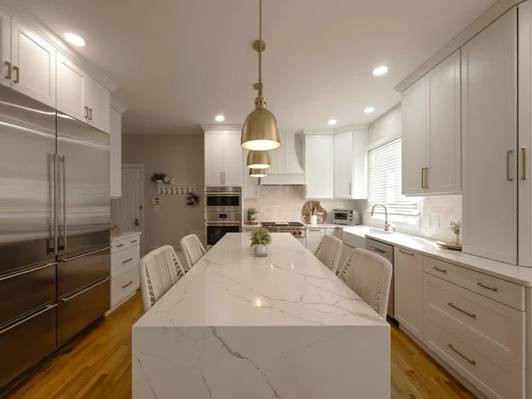
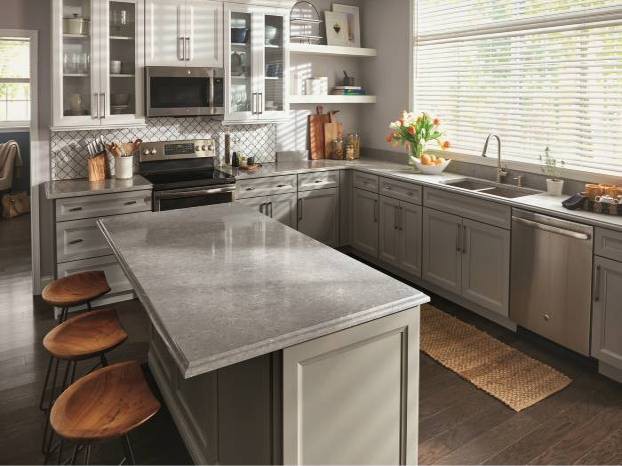
For high-traffic areas like kitchen countertops, you'll want a quartz that's highly durable and scratch-resistant. Our Quartz Kitchen Countertop Slabs are specifically designed to withstand the daily wear and tear of a busy kitchen. They come in a variety of colors and patterns to match any kitchen decor.
If you're in India and looking for the best quartz slabs, we've got you covered. Our Best Quartz Slabs in India are sourced and manufactured to meet the highest quality standards. They're perfect for both residential and commercial projects.
Proper Installation
Even the best quartz won't perform well if it's not installed correctly. Proper installation is crucial for ensuring the longevity and performance of your quartz surfaces.
First of all, make sure you hire a professional installer who has experience working with quartz. They'll know how to handle the material properly and ensure a precise fit. The surface where the quartz will be installed should be clean, flat, and level. Any unevenness can cause stress on the quartz, leading to cracks or chips over time.
During installation, it's important to use the right adhesives and sealants. These will help to secure the quartz in place and prevent moisture from seeping in. Make sure to follow the manufacturer's instructions for all installation materials.
Maintenance and Cleaning
Once your quartz is installed, regular maintenance and cleaning are essential for keeping it in top condition. The good news is that quartz is relatively easy to maintain.
For daily cleaning, simply use a mild soap and water solution. Avoid using abrasive cleaners or scrubbers, as these can scratch the surface of the quartz. A soft cloth or sponge is usually all you need to keep your quartz looking clean and shiny.
If you spill something on your quartz surface, clean it up as soon as possible. While quartz is resistant to stains, some substances like red wine or coffee can leave a mark if left for too long. For tougher stains, you can use a specialized quartz cleaner. Just make sure to test it on a small, inconspicuous area first to make sure it doesn't damage the surface.
Protecting Quartz from Damage
To optimize quartz performance, you also need to take steps to protect it from damage. Avoid placing hot pots and pans directly on the quartz surface, as extreme heat can cause discoloration or cracking. Use trivets or hot pads to protect the surface.
Sharp objects can also scratch the quartz, so be careful when using knives or other utensils on it. It's a good idea to use a cutting board to prevent any accidental scratches.
In high-traffic areas, you may want to consider using furniture pads to prevent scratches from chairs or other moving objects. This simple step can go a long way in preserving the appearance and performance of your quartz.
Monitoring and Inspection
Regularly monitoring and inspecting your quartz surfaces can help you catch any potential issues early on. Look for signs of cracks, chips, or discoloration. If you notice any problems, address them immediately.
Small cracks or chips can often be repaired by a professional. Ignoring these issues can lead to further damage and may require more extensive repairs or even replacement of the quartz.
Upgrading and Refreshing
Over time, you may want to upgrade or refresh your quartz surfaces to keep them looking their best. There are several options available for upgrading quartz.
You can change the finish of the quartz to give it a new look. For example, you can go from a polished finish to a honed finish for a more matte look. You can also add decorative elements like backsplashes or edging to enhance the overall appearance of the quartz.
If your quartz is severely damaged or outdated, you may want to consider replacing it. Our team can help you choose the right replacement quartz and ensure a smooth installation process.
Conclusion
Optimizing quartz performance is all about making the right choices from the start and taking good care of your quartz surfaces. By choosing the right quartz for your project, ensuring proper installation, and following a regular maintenance routine, you can enjoy the beauty and durability of quartz for many years to come.
If you're interested in learning more about our quartz products or have any questions about optimizing quartz performance, don't hesitate to reach out. We're here to help you with all your quartz needs and can assist you in choosing the best solutions for your project. Let's start a conversation about how we can work together to bring your quartz vision to life.
References
- General knowledge and experience in the quartz industry.
- Manufacturer's guidelines for quartz installation, maintenance, and care.