

How often should imported granite be sealed?
Jul 30, 2025
Leave a message
Hey there! As a supplier of imported granite, I often get asked about how often imported granite should be sealed. It's a great question, and the answer isn't as straightforward as you might think. In this blog post, I'll break down everything you need to know about sealing imported granite to keep it looking its best for years to come.
Why Do You Need to Seal Imported Granite?
First off, let's talk about why sealing granite is important. Granite is a natural stone, and like all natural stones, it has tiny pores on its surface. These pores can absorb liquids, stains, and even bacteria if they're not properly protected. Sealing granite creates a protective barrier that helps prevent these issues, keeping your countertops, floors, or other granite surfaces looking clean and new.
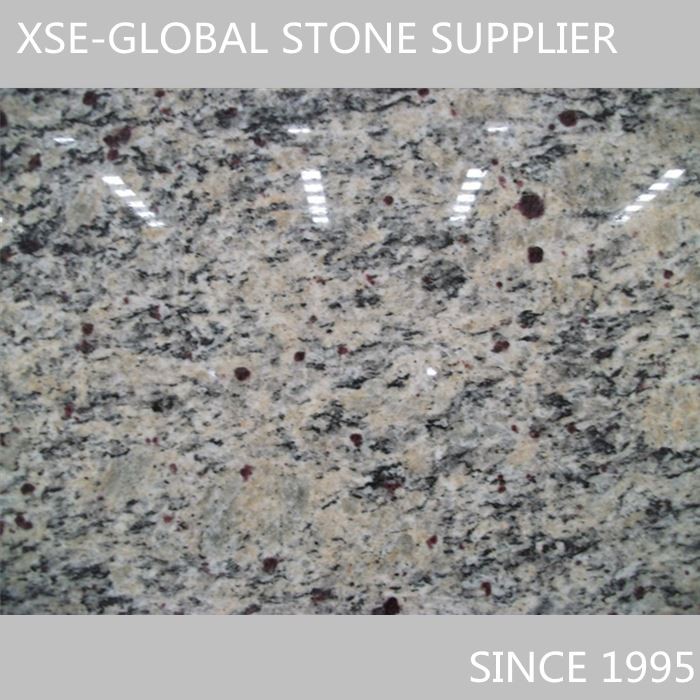
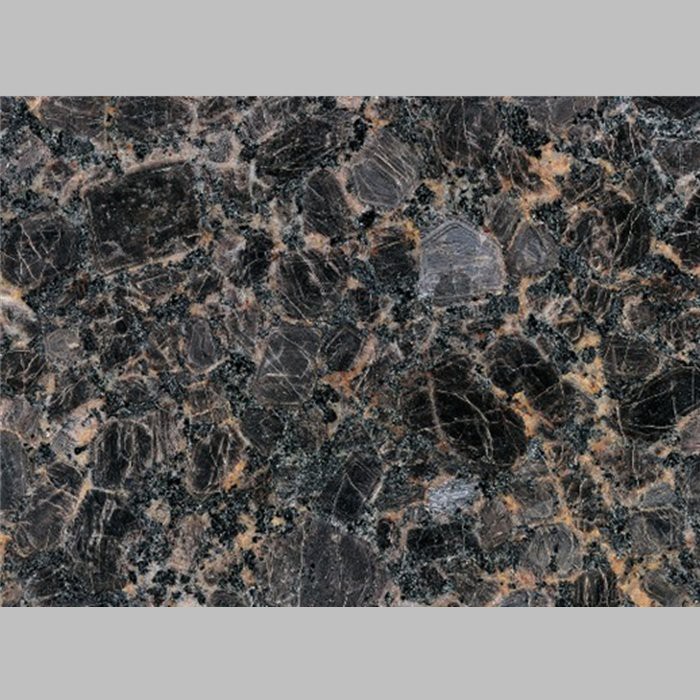
Imported granite, in particular, may have different porosity levels depending on where it's sourced from. Some types of granite are more porous than others, which means they'll need to be sealed more frequently. That's why it's crucial to understand the specific characteristics of the granite you're working with.
Factors That Affect How Often to Seal Imported Granite
1. Porosity of the Granite
As I mentioned earlier, the porosity of the granite plays a huge role in determining how often it needs to be sealed. You can do a simple water test to check the porosity of your granite. Just place a few drops of water on the surface and wait for about 10-15 minutes. If the water beads up, it means the granite is less porous and may not need to be sealed as often. If the water is absorbed into the stone, it's more porous and will require more frequent sealing.
For example, Giallo Santa Cecilia Light Granite Slabs have a relatively low porosity, so they may only need to be sealed every 1-2 years. On the other hand, Giallo Antico Granite Slab is a bit more porous and might need to be sealed once a year or even more often in high-traffic areas.
2. Location and Usage
The location where the granite is installed and how it's used also affect the sealing frequency. Granite countertops in a kitchen are exposed to a lot more spills, heat, and chemicals than granite floors in a hallway. Kitchen countertops may need to be sealed more often, perhaps every 6-12 months, to protect them from stains and damage.
If the granite is used outdoors, it will be exposed to the elements, such as rain, sunlight, and temperature changes. Outdoor granite may need to be sealed annually or even more frequently, depending on the climate. In areas with harsh winters or high humidity, more frequent sealing may be necessary to prevent cracking and other damage.
3. Type of Sealer Used
There are different types of sealers available for granite, including penetrating sealers and topical sealers. Penetrating sealers are absorbed into the stone and provide long-lasting protection. They typically last longer than topical sealers, which form a protective layer on the surface of the granite.
If you use a high-quality penetrating sealer, you may be able to extend the time between sealings. However, if you use a lower-quality sealer or a topical sealer, you'll likely need to reapply it more often.
General Guidelines for Sealing Imported Granite
Based on the factors above, here are some general guidelines for how often to seal imported granite:
- Kitchen Countertops: For most kitchen countertops made of imported granite, it's recommended to seal them every 6-12 months. This will help protect them from stains, scratches, and heat damage. If you have a particularly porous granite or use your kitchen a lot, you may want to seal it every 6 months.
- Bathroom Countertops: Bathroom countertops are exposed to less wear and tear than kitchen countertops, so they can usually be sealed every 1-2 years. However, if you use a lot of hair products or other chemicals near the granite, you may need to seal it more often.
- Floors: Granite floors in low-traffic areas, such as hallways or guest rooms, can be sealed every 2-3 years. In high-traffic areas, like living rooms or entryways, it's best to seal them every 1-2 years to prevent scratches and stains.
- Outdoor Surfaces: Outdoor granite surfaces should be sealed annually or more often, depending on the climate. In areas with extreme weather conditions, you may need to seal them every 6 months to ensure maximum protection.
How to Seal Imported Granite
Sealing imported granite is a relatively simple process, but it's important to do it correctly to ensure the best results. Here's a step-by-step guide:
- Clean the Surface: Before sealing the granite, make sure it's clean and dry. Use a mild granite cleaner to remove any dirt, grease, or stains. Rinse the surface thoroughly and let it dry completely.
- Apply the Sealer: Follow the instructions on the sealer product carefully. Most sealers come with a spray bottle or a brush applicator. Apply the sealer evenly to the surface of the granite, making sure to cover all areas. Use a clean, dry cloth to spread the sealer and remove any excess.
- Let the Sealer Dry: Allow the sealer to dry for the recommended amount of time, which is usually 1-2 hours. Avoid using the granite surface during this time.
- Buff the Surface: Once the sealer is dry, use a clean, dry cloth to buff the surface of the granite to a shine. This will help remove any streaks or residue and give the granite a smooth, polished finish.
Conclusion
Sealing imported granite is an important part of maintaining its beauty and durability. By understanding the factors that affect how often to seal granite and following the general guidelines I've provided, you can keep your granite surfaces looking their best for years to come.
If you're in the market for imported granite or have any questions about sealing or caring for it, I'd love to help. Whether you're interested in Giallo Santa Cecilia Light Granite Slabs, Giallo Antico Granite Slab, Brown Pearl Granite Slab, or any other type of imported granite, feel free to reach out to me for more information and to discuss your specific needs. Let's work together to find the perfect granite for your project!
References
- "Granite Sealing Guide." Stone World Magazine.
- "Caring for Natural Stone Countertops." The Home Depot.