

How much weight can Hubei G603 Granite Tiles bear?
Sep 18, 2025
Leave a message
As a supplier of Hubei G603 Granite Tiles, one of the most frequently asked questions I encounter is about the weight-bearing capacity of these tiles. Understanding the weight these tiles can bear is crucial for both architects and homeowners, as it directly impacts the safety and durability of any project. In this blog post, I'll delve into the factors that determine the weight-bearing capacity of Hubei G603 Granite Tiles and provide you with the necessary information to make informed decisions for your construction or renovation projects.
Composition and Structure of Hubei G603 Granite Tiles
Hubei G603 Granite is a type of natural stone that is formed deep within the Earth's crust over millions of years. It is composed mainly of quartz, feldspar, and mica, which give it its characteristic hardness and durability. The interlocking crystalline structure of granite provides it with excellent strength and resistance to wear and tear.
The density of Hubei G603 Granite typically ranges from 2.6 to 2.7 g/cm³, which is relatively high compared to other building materials. This high density contributes to its ability to withstand heavy loads. Additionally, the uniform distribution of minerals within the granite ensures that the weight is evenly distributed across the tile, reducing the risk of cracking or breaking under pressure.
Factors Affecting Weight-Bearing Capacity
Several factors can influence the weight-bearing capacity of Hubei G603 Granite Tiles. Understanding these factors is essential for accurately assessing the suitability of the tiles for your specific application.
Thickness of the Tiles
The thickness of the granite tiles plays a significant role in determining their weight-bearing capacity. Thicker tiles are generally stronger and can support more weight than thinner ones. For most residential and commercial applications, tiles with a thickness of 20mm to 30mm are commonly used. However, for heavy-duty applications such as industrial floors or large public spaces, thicker tiles may be required.
Installation Method
The way the granite tiles are installed also affects their weight-bearing capacity. Proper installation is crucial to ensure that the tiles are securely attached to the substrate and can distribute the weight evenly. The tiles should be installed on a flat, stable surface using a suitable adhesive or mortar. In addition, proper grouting is essential to prevent water penetration and to provide additional support to the tiles.
Substrate Conditions
The condition of the substrate on which the granite tiles are installed is another important factor. The substrate should be strong enough to support the weight of the tiles and any additional loads. If the substrate is weak or uneven, it can cause the tiles to crack or break under pressure. Before installing the tiles, it is important to ensure that the substrate is properly prepared and meets the required standards.
Environmental Conditions
Environmental conditions such as temperature, humidity, and exposure to chemicals can also affect the weight-bearing capacity of Hubei G603 Granite Tiles. Extreme temperature changes can cause the tiles to expand and contract, which can lead to cracking or breaking. High humidity levels can also cause the tiles to absorb moisture, which can weaken their structure over time. Additionally, exposure to chemicals such as acids or alkalis can damage the surface of the tiles and reduce their strength.
Testing and Certification
To ensure the quality and performance of Hubei G603 Granite Tiles, they are typically tested to meet certain standards and certifications. These tests evaluate the physical and mechanical properties of the tiles, including their weight-bearing capacity.
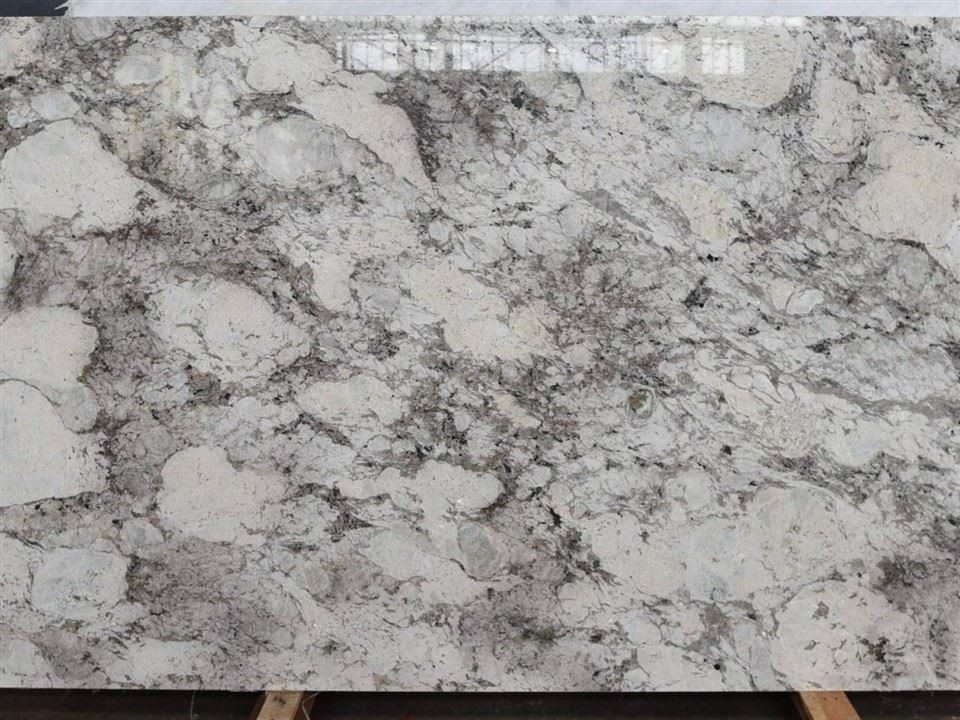

One of the most common tests used to determine the weight-bearing capacity of granite tiles is the flexural strength test. This test measures the ability of the tile to withstand bending forces without breaking. The higher the flexural strength, the greater the weight-bearing capacity of the tile.
In addition to the flexural strength test, other tests may also be conducted to evaluate the durability, abrasion resistance, and chemical resistance of the tiles. These tests provide valuable information about the performance of the tiles under different conditions and help ensure that they meet the requirements of various applications.
Typical Weight-Bearing Capacity
Based on industry standards and testing results, Hubei G603 Granite Tiles with a thickness of 20mm to 30mm can typically support a weight of up to 10,000 pounds per square foot (psf) or more. However, it is important to note that this is a general guideline and the actual weight-bearing capacity may vary depending on the factors mentioned above.
For example, if the tiles are installed on a weak or uneven substrate, the weight-bearing capacity may be significantly reduced. Similarly, if the tiles are exposed to extreme environmental conditions or heavy traffic, the weight-bearing capacity may also be affected. Therefore, it is always recommended to consult with a professional engineer or architect to determine the appropriate weight-bearing capacity for your specific application.
Applications of Hubei G603 Granite Tiles
Hubei G603 Granite Tiles are a versatile and durable building material that can be used in a wide range of applications. Their high weight-bearing capacity makes them suitable for both residential and commercial projects.
Flooring
One of the most common applications of Hubei G603 Granite Tiles is for flooring. The tiles can be used in various areas of a building, including living rooms, kitchens, bathrooms, and hallways. Their durability and resistance to wear and tear make them ideal for high-traffic areas. Additionally, the natural beauty of the granite adds a touch of elegance and sophistication to any space.
Wall Cladding
Hubei G603 Granite Tiles are also commonly used for wall cladding. They can be used to create a stunning visual effect on both interior and exterior walls. The tiles are available in a variety of colors and finishes, allowing you to choose the one that best suits your design preferences. For more information on using granite for wall cladding, you can visit Granite For Wall Cladding.
Outdoor Pavers
The high weight-bearing capacity and resistance to weathering make Hubei G603 Granite Tiles an excellent choice for outdoor pavers. They can be used to create driveways, patios, walkways, and other outdoor surfaces. The flamed finish of the granite provides excellent slip resistance, making it safe for use in wet or slippery conditions. To explore our range of Flamed Granite Outdoor Pavers, click on the link.
Countertops
Hubei G603 Granite Tiles are also popular for use as countertops in kitchens and bathrooms. Their durability and resistance to heat, scratches, and stains make them a practical and stylish choice. The natural beauty of the granite adds a touch of luxury to any kitchen or bathroom. For more information on our White Granite countertops, visit the link.
Conclusion
In conclusion, Hubei G603 Granite Tiles are a strong and durable building material with excellent weight-bearing capacity. Their composition, structure, and physical properties make them suitable for a wide range of applications, including flooring, wall cladding, outdoor pavers, and countertops. However, it is important to consider the factors that can affect the weight-bearing capacity, such as thickness, installation method, substrate conditions, and environmental conditions.
If you are considering using Hubei G603 Granite Tiles for your next project, I encourage you to contact us to discuss your specific requirements. Our team of experts can provide you with detailed information about the weight-bearing capacity of the tiles and help you choose the right product for your application. We are committed to providing high-quality products and excellent customer service, and we look forward to working with you on your next project.
References
- ASTM International. (2023). Standard Test Method for Flexural Strength of Dimension Stone. ASTM C99/C99M - 22.
- National Building Granite Quarriers Association. (2023). Granite: The Natural Choice for Building.