

How is granite formed?
Dec 11, 2025
Leave a message
Hey there! I'm a supplier of granite, and I've been in this business for quite a while. One question I get asked a lot is, "How is granite formed?" Well, let's dive right into it.
The Basics of Granite Formation
Granite is an igneous rock, which means it's formed from the cooling and solidification of magma or lava. But it's not as simple as just cooling down. There's a whole complex process that takes place deep within the Earth.
Magma Generation
The story starts with magma. Magma is a hot, molten mixture of rock - forming minerals, gases, and sometimes small amounts of solids. It forms in the Earth's mantle, which is the layer between the crust and the core. The mantle is incredibly hot, with temperatures ranging from about 1,000°C to 3,700°C.
There are a few ways magma can be generated. One common way is through the process of decompression melting. When tectonic plates move apart, the pressure on the mantle rocks decreases. This reduction in pressure allows the mantle rocks to melt at lower temperatures, creating magma. Another way is through the addition of volatiles like water. Water can lower the melting point of mantle rocks, causing them to melt and form magma.
Ascent of Magma
Once magma is formed, it starts to rise towards the Earth's surface. Magma is less dense than the surrounding rocks, so it behaves like a hot air balloon in the mantle. It moves through cracks and weaknesses in the rocks, following the path of least resistance.
As the magma rises, it can interact with the surrounding rocks. It might melt some of the rocks it comes into contact with, incorporating their minerals into the magma. This process is called assimilation. It can also mix with other magmas that are on their way up, creating a more complex and diverse magma composition.
Cooling and Solidification
When the magma finally stops rising and starts to cool, granite begins to form. But this cooling process is very slow, especially when the magma is trapped deep underground. The slow cooling allows the minerals in the magma to crystallize and grow into large, visible crystals.
Granite is mainly composed of three minerals: quartz, feldspar, and mica. Quartz is a hard, glass - like mineral that gives granite its durability. Feldspar comes in different colors, such as pink, white, or gray, and it makes up a large portion of the rock. Mica is a shiny, flaky mineral that adds a bit of sparkle to the granite.
The exact composition of granite can vary depending on the source of the magma and the conditions during its formation. For example, if the magma had a higher amount of potassium, the feldspar in the granite might be more potassium - rich, giving the granite a pinkish hue.
Different Types of Granite
As a granite supplier, I deal with all sorts of granite types. Two popular ones are Leone Black Diamond and Absolute Black.
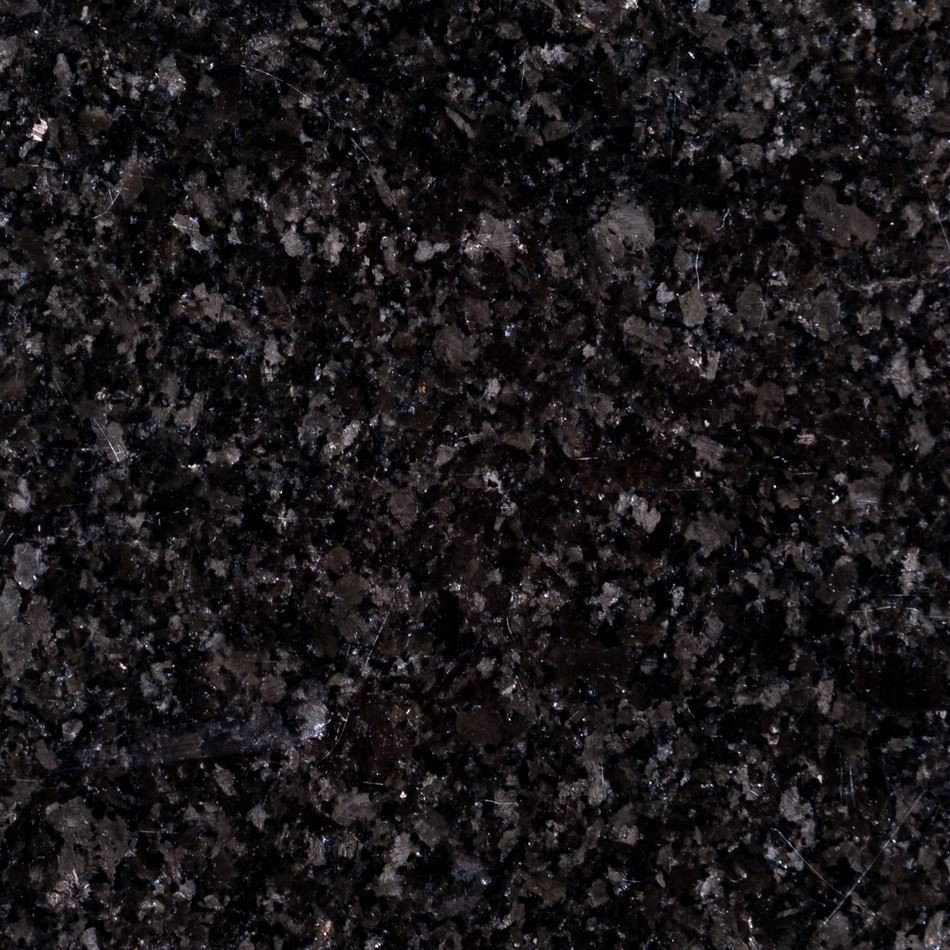
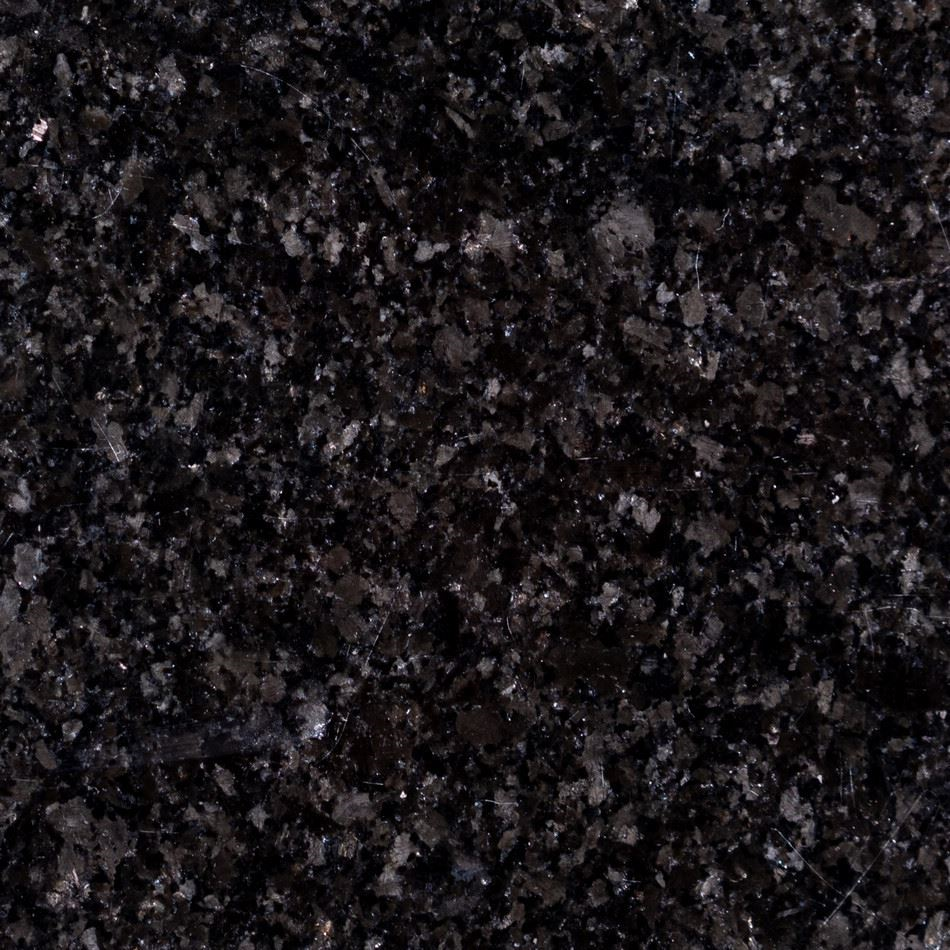
Leone Black Diamond is a stunning black granite with a unique pattern. Its formation might have involved a specific type of magma that was rich in dark - colored minerals. The slow cooling process allowed these minerals to form a beautiful, intricate pattern that makes it a favorite for countertops and flooring.
Absolute Black, on the other hand, is a pure black granite. It has a very uniform color and a sleek, modern look. It's likely that the magma from which Absolute Black formed had a consistent composition, with a high concentration of black - colored minerals. The slow cooling also contributed to its smooth and even appearance.
The Impact of Formation on Granite Quality
The way granite is formed has a huge impact on its quality. Slow - cooling granite, like the ones that form deep underground, generally has larger crystals. This makes the granite stronger and more durable. The large crystals interlock tightly, creating a solid and stable structure.
Granite that cools too quickly might have smaller crystals or even a glassy texture. This type of granite is usually weaker and more prone to cracking and chipping. As a supplier, I always look for granite that has been formed under the right conditions to ensure that I'm offering high - quality products to my customers.
Why Choose Granite?
Granite is an excellent choice for a variety of applications. In the kitchen, it's a popular choice for countertops because it's heat - resistant, scratch - resistant, and easy to clean. It can withstand the daily wear and tear of cooking and food preparation.
In the bathroom, granite makes a great vanity top. Its natural beauty adds a touch of luxury to the space, and its durability means it will last for years.
Outdoor applications are also common. Granite can be used for paving stones, steps, and even as a cladding for buildings. Its resistance to weathering makes it a reliable choice for outdoor use.
Contact for Purchase and Negotiation
If you're interested in purchasing granite for your project, whether it's a small home renovation or a large commercial development, I'd love to talk to you. I have a wide range of granite types and colors to choose from, including the beautiful Leone Black Diamond and Absolute Black. Contact me, and we can discuss your specific needs, get you a quote, and start the process of bringing your dream project to life.
References
- "Igneous Rocks and Intrusive Activity" by John W. Schopf.
- "The Earth: An Introduction to Physical Geology" by Edward J. Tarbuck and Frederick K. Lutgens.
- "Petrology: Igneous, Sedimentary, and Metamorphic" by Frank Press and Raymond Siever.