

How does Level 2 Granite handle cold temperatures?
Nov 04, 2025
Leave a message
Level 2 granite is a popular choice for various construction and design projects due to its balance between quality and cost. As a supplier of Level 2 granite, I often encounter questions from clients regarding how this type of granite handles cold temperatures. In this blog, I will delve into the science behind granite's performance in cold environments and provide practical insights for those considering using Level 2 granite in cold - climate areas.
Understanding the Composition of Level 2 Granite
Granite is an igneous rock formed from the slow crystallization of magma deep beneath the Earth's surface. Level 2 granite typically contains a mixture of minerals such as quartz, feldspar, and mica. Quartz, which is one of the main components, is highly resistant to chemical weathering and physical degradation. Feldspar, another significant mineral, contributes to the granite's hardness and durability. Mica, although present in smaller amounts, can affect the appearance and some physical properties of the granite.
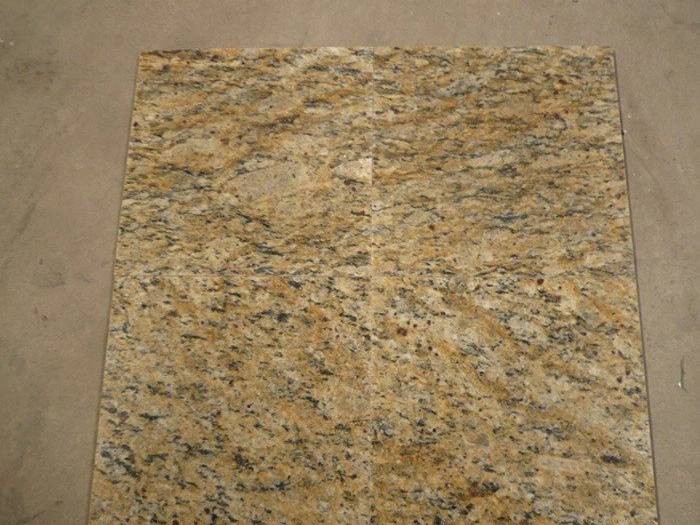
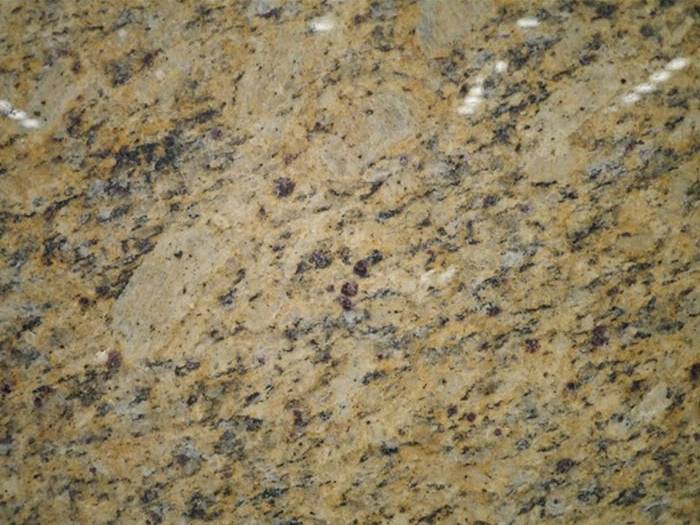
The unique combination of these minerals gives Level 2 granite its characteristic strength and aesthetic appeal. However, when it comes to cold temperatures, the behavior of these minerals becomes crucial in determining how the granite will perform.
The Effects of Cold Temperatures on Granite
Freeze - Thaw Cycles
One of the most significant challenges that granite faces in cold climates is freeze - thaw cycles. When water seeps into the pores or cracks of the granite and then freezes, it expands by about 9%. This expansion exerts a tremendous amount of pressure on the surrounding rock. Over time, repeated freeze - thaw cycles can cause the granite to crack or spall.
Level 2 granite, like all natural stones, has a certain degree of porosity. While it is generally less porous than some other types of stones, it is not completely impermeable. The key to preventing damage from freeze - thaw cycles lies in minimizing the amount of water that can penetrate the granite.
Thermal Contraction
In addition to freeze - thaw cycles, cold temperatures also cause thermal contraction. As the temperature drops, the granite contracts. If the contraction is uneven, it can lead to internal stress within the stone. This stress can potentially cause micro - cracks to form, which may grow over time and compromise the integrity of the granite.
How Level 2 Granite Performs in Cold Temperatures
Resistance to Freeze - Thaw Cycles
Level 2 granite has a relatively low porosity compared to many other natural stones, which gives it a good level of resistance to freeze - thaw cycles. The tight interlocking structure of its minerals makes it more difficult for water to penetrate deep into the stone. However, it is important to note that the performance can vary depending on the specific composition and quality of the granite.
Some Level 2 granite varieties, such as the Steel Grey Granite Slabs, have been tested and proven to withstand a significant number of freeze - thaw cycles without major damage. These slabs are often used in outdoor applications in cold climates, such as in patios or walkways.
Thermal Stability
The thermal stability of Level 2 granite is also quite good. The combination of quartz and feldspar provides a stable structure that can withstand moderate temperature changes without significant deformation. However, extreme and rapid temperature fluctuations can still pose a risk. For example, if a hot object is placed on a cold granite surface or vice versa, it can cause sudden thermal stress and potentially lead to cracking.
Protecting Level 2 Granite in Cold Climates
Sealing
One of the most effective ways to protect Level 2 granite in cold climates is to seal it. A high - quality sealer can create a protective barrier on the surface of the granite, preventing water from penetrating into the pores. There are different types of sealers available, including penetrating sealers and topical sealers. Penetrating sealers are often preferred as they penetrate deep into the stone and provide long - term protection.
It is recommended to seal Level 2 granite regularly, especially in areas with harsh winters. The frequency of sealing depends on various factors such as the type of sealer used, the porosity of the granite, and the level of exposure to the elements.
Proper Installation
Proper installation is also crucial for ensuring the performance of Level 2 granite in cold temperatures. The granite should be installed on a stable and well - drained base to prevent water from pooling around the stone. Adequate expansion joints should be provided to allow for thermal contraction and expansion without causing stress on the granite.
Examples of Level 2 Granite in Cold - Climate Applications
Santa Cecilia Granite Slab
The Santa Cecilia Granite Slab is a popular choice for both indoor and outdoor applications in cold climates. Its rich color and durability make it suitable for use in kitchens, bathrooms, and outdoor patios. When properly sealed and installed, it can withstand the rigors of cold temperatures and maintain its beauty for many years.
Santa Cecilia Light Granite Kitchen
In kitchen applications, the Santa Cecilia Light Granite Kitchen countertops offer a combination of functionality and aesthetics. Even in cold climates, with proper care, these countertops can resist stains, scratches, and damage from temperature changes.
Tips for Maintaining Level 2 Granite in Cold Climates
Regular Cleaning
Regular cleaning is essential to keep the granite in good condition. Use a mild, pH - neutral cleaner to remove dirt and debris. Avoid using harsh chemicals or abrasive cleaners, as they can damage the surface of the granite.
Inspections
Periodically inspect the granite for any signs of damage, such as cracks or spalling. If any damage is detected, it should be addressed promptly to prevent further deterioration.
Conclusion
Level 2 granite can handle cold temperatures quite well when proper precautions are taken. Its resistance to freeze - thaw cycles and thermal contraction, combined with its aesthetic appeal, makes it a viable option for various applications in cold climates. By sealing the granite, ensuring proper installation, and following a regular maintenance routine, you can enjoy the beauty and durability of Level 2 granite for many years to come.
If you are considering using Level 2 granite in your next project, especially in a cold - climate area, I encourage you to contact me. I can provide you with more information about the specific Level 2 granite products we offer, as well as advice on installation and maintenance. Let's work together to create a beautiful and long - lasting project with our high - quality Level 2 granite.
References
- "Properties and Durability of Natural Stone" by the Natural Stone Institute.
- "Building Stone Handbook" by the National Building Stone Institute.