

How does Level 1 White Quartz change over time?
May 21, 2025
Leave a message
As a supplier of Level 1 White Quartz, I've witnessed firsthand the remarkable journey this exquisite material undertakes over time. Level 1 White Quartz is a popular choice for various applications, especially in the realm of interior design, due to its pristine appearance and impressive durability. In this blog, I'll delve into how Level 1 White Quartz changes over time, exploring aspects such as physical, chemical, and aesthetic alterations.
Initial Appearance and Properties
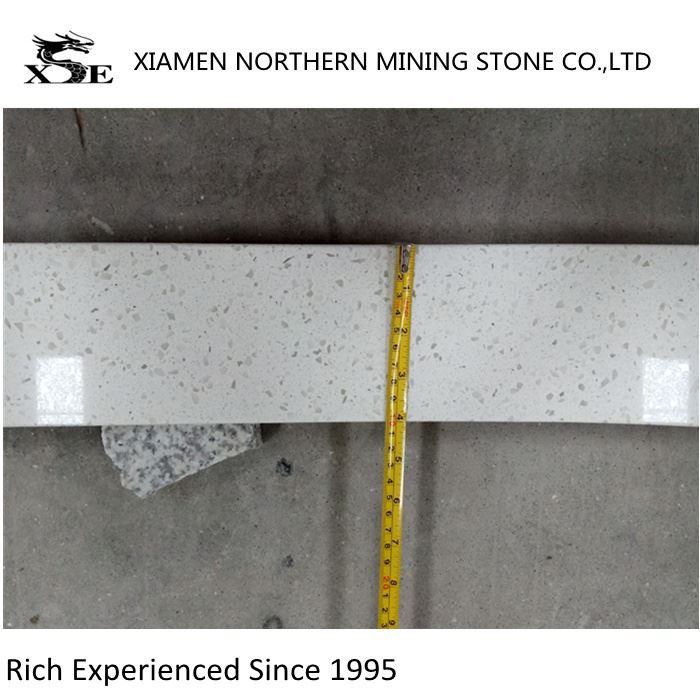
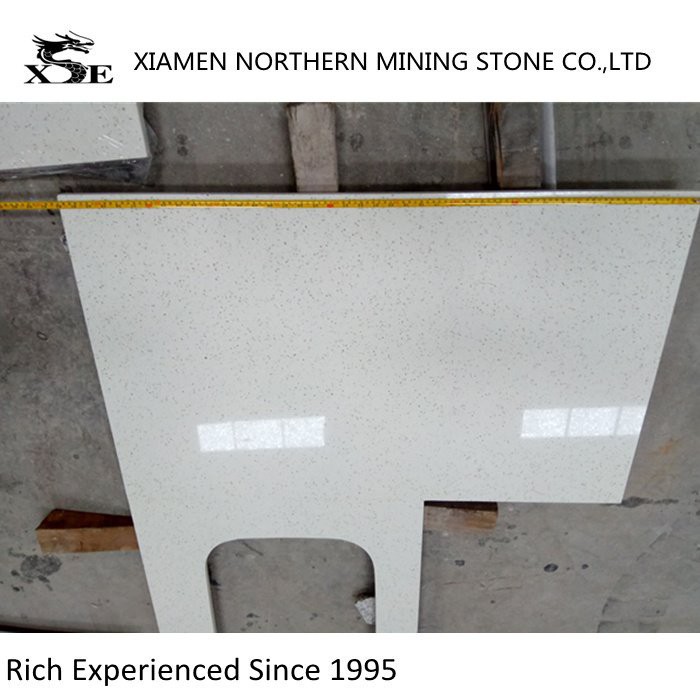
When first sourced and fabricated, Level 1 White Quartz presents itself as a stunningly beautiful material. Its pure white color exudes a sense of elegance and sophistication, making it a highly sought - after option for [White Quartz Countertops](/quartz/quartz - countertops/white - quartz - countertops.html), backsplashes, and other decorative elements. The surface is smooth and glossy, with a consistent texture that gives it a luxurious feel.
In terms of physical properties, Level 1 White Quartz is extremely hard. It ranks high on the Mohs scale of mineral hardness, which means it is resistant to scratches and abrasions. This hardness is a result of its composition, which is primarily made up of natural quartz crystals bound together with resin and other additives. Chemically, it is inert, meaning it does not react easily with common household chemicals, acids, or bases. This makes it suitable for use in kitchens and bathrooms, where it may come into contact with various substances.
Changes in the Short - Term (First Few Months to a Year)
In the short - term, the most noticeable change in Level 1 White Quartz is often related to its surface finish. When first installed, the surface has a brand - new shine. However, with regular use, especially in high - traffic areas like kitchen countertops, the surface may start to show very minor signs of wear. For example, in a kitchen setting, the constant placement of pots, pans, and utensils can cause micro - scratches over time. These scratches are usually so small that they are only visible under close inspection, but they can slightly dull the surface's initial high gloss.
In terms of color, there may be a very subtle change due to exposure to light. If the quartz is installed in an area with direct sunlight, the UV rays can cause a slight fading in the white color over the first few months. However, modern manufacturing techniques have made Level 1 White Quartz quite resistant to UV - induced color changes, so this effect is usually minimal.
Another aspect to consider in the short - term is the accumulation of dirt and stains. Although Level 1 White Quartz is resistant to stains, if spills are not cleaned up promptly, especially substances like coffee, red wine, or oil, they can leave temporary marks. These stains can usually be removed with a mild detergent and a soft cloth. But if left unattended for an extended period, they may become more difficult to clean.
Medium - Term Changes (One to Five Years)
As Level 1 White Quartz ages over a period of one to five years, the physical changes become more pronounced. The micro - scratches that started to appear in the short - term may gradually accumulate, leading to a more noticeable dulling of the surface. However, this does not necessarily mean a significant loss of functionality. The quartz still remains highly resistant to scratches and is perfectly suitable for continued use.
In some cases, depending on the environment and the quality of the installation, there may be some minor movement or settling of the quartz slabs. This can cause very small cracks or chips to form at the edges or joints. These issues are often related to improper installation or changes in the underlying structure, rather than a defect in the quartz itself.
Color changes in the medium - term are more likely to occur if the quartz is exposed to harsh chemicals or extreme environmental conditions. For example, if a strong acid is accidentally spilled on the surface and not neutralized immediately, it can cause discoloration. Additionally, in areas with high humidity, there may be a slight yellowing of the quartz over time, although this is relatively rare and can usually be mitigated with proper maintenance.
Long - Term Changes (Five Years and Beyond)
Over a long period of time, say five years or more, Level 1 White Quartz may experience more substantial changes. The surface may become significantly dulled, and the original high - gloss finish may be replaced with a more matte appearance. This is a natural result of years of wear and tear. However, the quartz's structural integrity remains intact, and it can still serve its purpose effectively.
In terms of color, if the quartz has been exposed to a combination of sunlight, chemicals, and environmental factors over a long period, there may be a more noticeable change. The white color may become slightly off - white or develop a yellowish tint. This is more likely to happen in outdoor applications or in areas with poor ventilation.
Despite these changes, Level 1 White Quartz remains a durable and long - lasting material. With proper maintenance and occasional refinishing, it can continue to look great for many years. For example, a professional refinishing service can restore the surface's shine and remove minor scratches, effectively rejuvenating the quartz.
Maintenance to Mitigate Changes
To minimize the changes that occur over time, proper maintenance is crucial. For daily cleaning, a mild soap and water solution is sufficient. Avoid using abrasive cleaners or scrubbers, as these can cause scratches and damage the surface. When spills occur, clean them up immediately to prevent staining.
For more stubborn stains, a non - abrasive cleaner specifically designed for quartz surfaces can be used. It's also important to avoid placing hot objects directly on the quartz surface, as extreme heat can cause thermal shock and potentially lead to cracks.
Aesthetic Changes and Design Evolution
Over time, the aesthetic appeal of Level 1 White Quartz may change not only due to physical and chemical factors but also as design trends evolve. What was once considered a very modern and trendy choice may start to look dated after several years. However, the classic white color of Level 1 White Quartz has a timeless quality that can often adapt to different design styles.
For example, if you initially installed [Bianc Carrara Quartz Countertops](/quartz/quartz - countertops/bianc - carrara - quartz - countertops.html) in a traditional kitchen, and you later decide to update the kitchen to a more contemporary style, the white quartz can still serve as a neutral backdrop that can be complemented with new cabinetry, fixtures, and appliances.
Comparing with Other Materials
When compared to other countertop materials like granite or marble, Level 1 White Quartz generally shows fewer changes over time. Granite may develop etches and stains more easily, especially when exposed to acidic substances. Marble is even more prone to scratching and staining, and its color can change more significantly due to chemical reactions.
In contrast, Level 1 White Quartz's consistent composition and high resistance to chemicals and scratches make it a more stable option in the long run. It requires less maintenance to keep its appearance intact compared to these natural stone alternatives.
The Role of Technology in Preserving Level 1 White Quartz
Advancements in technology have played a significant role in preserving the quality of Level 1 White Quartz over time. New manufacturing processes have improved the material's resistance to UV rays, stains, and scratches. Additionally, there are now new surface treatments available that can enhance the durability and longevity of the quartz.
For example, some manufacturers apply a protective coating to the quartz surface during the manufacturing process. This coating acts as a barrier against stains and scratches, making the quartz even more resistant to wear and tear.
Conclusion and Call to Action
In conclusion, Level 1 White Quartz is a remarkable material that undergoes various changes over time. While these changes are inevitable, they can be managed and mitigated through proper maintenance. Its durability, aesthetic appeal, and resistance to many common issues make it a great choice for a wide range of applications, especially [White Sparkle Quartz Kitchen Worktop](/quartz/quartz - countertops/white - sparkle - quartz - kitchen - worktop.html).
If you're considering using Level 1 White Quartz for your next project, I encourage you to reach out to discuss your specific needs. We have a wide range of options available, and our team of experts can provide you with all the information you need to make an informed decision. Whether you're a homeowner, a designer, or a contractor, we're here to help you find the perfect Level 1 White Quartz solution for your project.
References
- "Quartz Countertop Care and Maintenance Guide" by The Home Depot
- "Properties and Applications of Quartz Materials" by International Journal of Construction Materials
- "Long - Term Performance of Quartz Surfaces" by National Association of Kitchen and Bath Industry