

How do you repair a crack in granite?
Dec 12, 2025
Leave a message
Hey there! As a granite supplier, I've seen my fair share of cracked granite slabs, and boy, do I get the stress it can cause. Whether it's a countertop in a bustling kitchen, a stylish bathroom vanity, or an outdoor patio, a crack in granite can really put a damper on the aesthetics and functionality. But don't worry; in this blog, I'm gonna walk you through how to repair a crack in granite like a pro.
Understanding the Types of Granite Cracks
Before you start slapping on any repair materials, it's crucial to understand what kind of crack you're dealing with. There are generally two types: surface cracks and deep cracks.
Surface cracks are just that - they only affect the top layer of the granite. They're often caused by minor impacts, like dropping a heavy pan on a countertop. These cracks might look unsightly, but they're usually not a structural concern.
Deep cracks, on the other hand, run through the entire thickness of the granite. They can be much more serious, potentially compromising the integrity of the slab. Deep cracks are often the result of significant impacts or structural issues in the installation.
Assessing the Damage
Once you've identified the type of crack, it's time to assess the damage. Take a close look at the crack and note its length, width, and depth. If it's a surface crack, you might be able to handle the repair yourself. But if it's a deep crack, it's a good idea to consult a professional. You don't want to risk further damage or create a safety hazard.
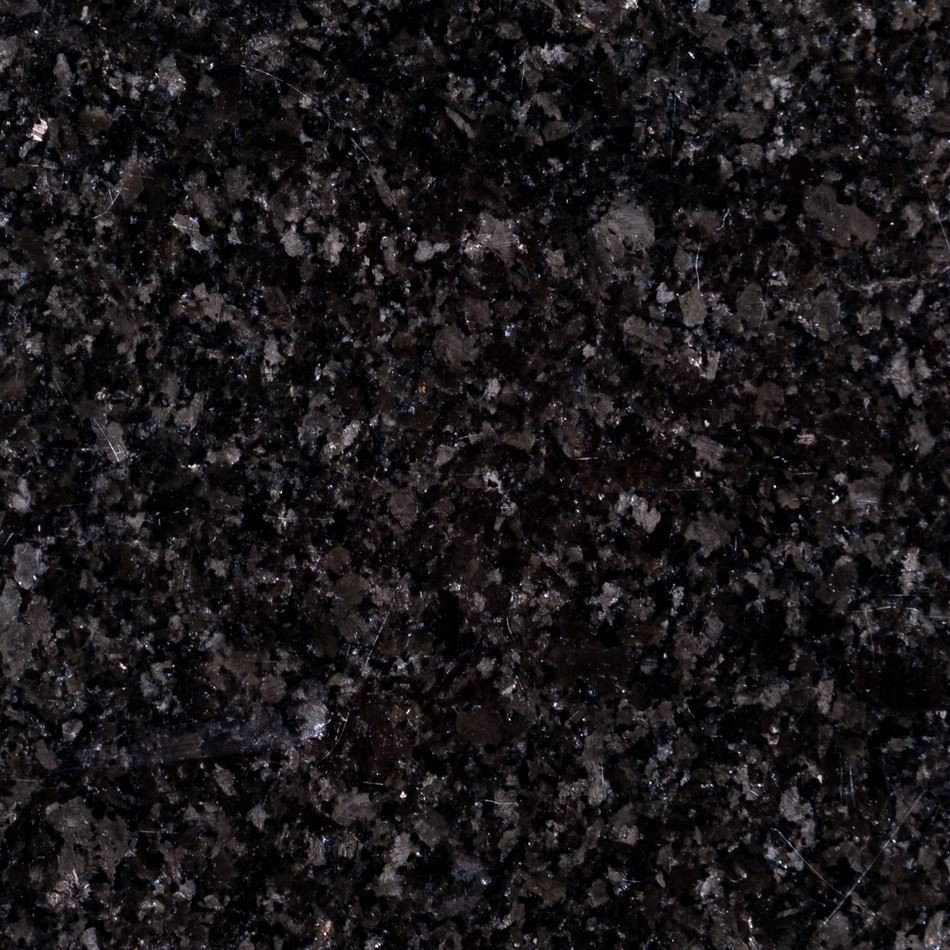
You'll also want to consider the color and pattern of the granite. Matching the repair material to the granite's natural color is essential for a seamless finish. Some granite varieties, like Leone Black Diamond and Absolute Black, have unique colors and patterns that can be challenging to match.
Gathering Your Supplies
If you've decided to tackle the repair yourself, you'll need to gather the right supplies. Here's a list of what you'll need:
- Granite repair epoxy: You can find this at most hardware stores or online. Make sure to choose an epoxy that's specifically designed for granite repairs.
- Epoxy colorants: These are used to match the epoxy to the color of your granite. You can usually find them in a variety of colors at the same place you buy the epoxy.
- Mixing tools: You'll need something to mix the epoxy and colorants, like a plastic spatula or a small wooden stick.
- Sandpaper: You'll use this to smooth the surface of the repaired area after the epoxy has dried.
- Protective gear: Wear gloves and safety glasses to protect yourself from the epoxy and any dust or debris.
Preparing the Crack
Before you apply the epoxy, you need to prepare the crack. Start by cleaning the area around the crack with a mild detergent and water. Make sure to remove any dirt, grease, or debris. You can use a soft cloth or a brush to get into the crack and remove any loose material.
Once the crack is clean, dry it thoroughly. You can use a hair dryer on a low setting to speed up the drying process. It's important to make sure the crack is completely dry before you apply the epoxy, as any moisture can prevent the epoxy from bonding properly.
Mixing the Epoxy
Now it's time to mix the epoxy. Follow the instructions on the package carefully, as different epoxies have different mixing ratios. Generally, you'll need to mix the resin and the hardener in a small container. Use your mixing tool to stir the epoxy thoroughly for at least two minutes, making sure to scrape the sides and bottom of the container.
Once the epoxy is well-mixed, it's time to add the colorant. Start by adding a small amount of colorant to the epoxy and mix it in well. You can add more colorant as needed to match the color of your granite. It's a good idea to test the color on a small, inconspicuous area of the granite before you apply it to the crack.
Applying the Epoxy
Once the epoxy is the right color, it's time to apply it to the crack. Use your mixing tool to carefully apply the epoxy to the crack, making sure to fill it completely. You can use a small putty knife or a flat-tipped tool to smooth the epoxy over the crack and remove any excess.
Work quickly, as the epoxy will start to harden within a few minutes. Make sure to apply the epoxy evenly and smoothly, and try to match the texture of the surrounding granite. If you're working on a large crack, you may need to apply the epoxy in multiple layers, allowing each layer to dry before applying the next.
Letting the Epoxy Dry
After you've applied the epoxy, it's time to let it dry. The drying time will depend on the type of epoxy you're using and the temperature and humidity of the environment. Generally, it will take at least 24 hours for the epoxy to fully cure.
During the drying process, make sure to keep the repaired area clean and dry. Avoid touching or putting any pressure on the epoxy, as this can cause it to crack or become uneven. You can cover the repaired area with a piece of plastic wrap to protect it from dust and debris.
Sanding and Polishing the Repaired Area
Once the epoxy has fully cured, it's time to sand and polish the repaired area. Start by using a fine-grit sandpaper to smooth the surface of the epoxy. Sand in a circular motion, making sure to blend the repaired area with the surrounding granite.
After you've sanded the epoxy, you can use a polishing compound to bring back the shine. Apply the polishing compound to a soft cloth and rub it onto the repaired area in a circular motion. Keep rubbing until the repaired area has the same shine as the surrounding granite.
When to Call a Professional
While it's possible to repair a crack in granite yourself, there are some situations where it's best to call a professional. If the crack is deep or runs through the entire thickness of the granite, it's likely a structural issue that requires professional attention. A professional will have the tools and expertise to assess the damage and make the necessary repairs.

If you're not confident in your ability to make the repair, or if you're dealing with a high-end or rare granite slab, it's also a good idea to call a professional. They can ensure that the repair is done correctly and that the finished result looks seamless.
Conclusion
Repairing a crack in granite doesn't have to be a daunting task. With the right tools, materials, and a little patience, you can fix a surface crack and restore the beauty of your granite. Just remember to assess the damage, prepare the crack, mix the epoxy, apply it carefully, and let it dry before sanding and polishing the repaired area.
If you're in the market for high-quality granite slabs, whether it's Leone Black Diamond or Absolute Black, I'm here to help. As a granite supplier, I offer a wide range of granite options at competitive prices. If you're interested in learning more or discussing your project, don't hesitate to reach out. Let's work together to bring your vision to life!
References
- Home Depot. "Granite Countertop Repair Guide."
- Lowe's. "How to Repair a Cracked Granite Countertop."
- Granite Gold. "Cracked Granite Countertops: What to Do and How to Fix Them."