

How do I know if the Level 2 Granite I'm buying is of good quality?
May 30, 2025
Leave a message
When diving into the world of granite purchasing, especially when dealing with Level 2 Granite, understanding the indicators of good quality is crucial. As a supplier of Level 2 Granite, I've witnessed firsthand the diverse needs and concerns of customers. In this blog, I'll share insights on how you can determine if the Level 2 Granite you're eyeing is of high - quality.
1. Physical Appearance
Color and Pattern Consistency
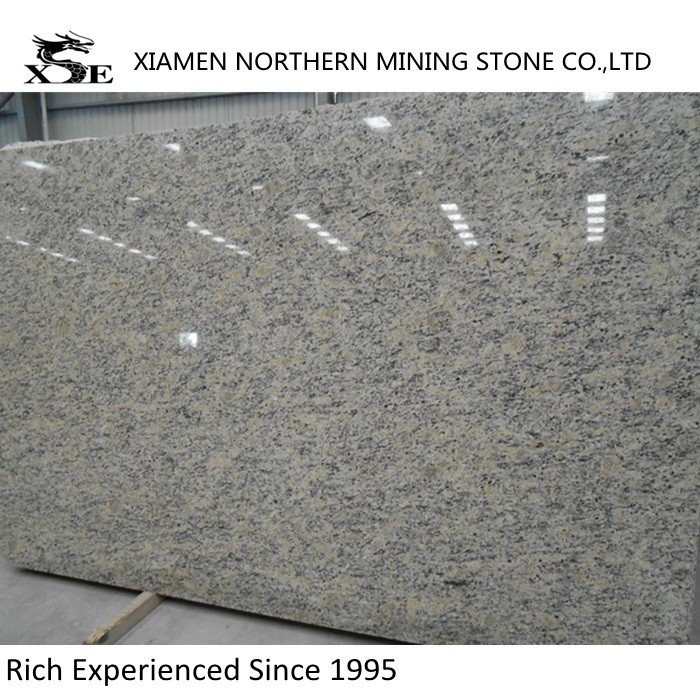
A good - quality Level 2 Granite typically exhibits consistent color distribution and a well - defined pattern. Inconsistencies in color may suggest uneven dyeing or natural flaws within the stone. For example, Santa Cecilia Light Granite is known for its beautiful golden - brown base color with flecks of black, white, and gray. When examining a slab of Santa Cecilia Light Granite, look for a uniform color across the surface. Any large patches of discoloration or sudden changes in hue could indicate poor quality.
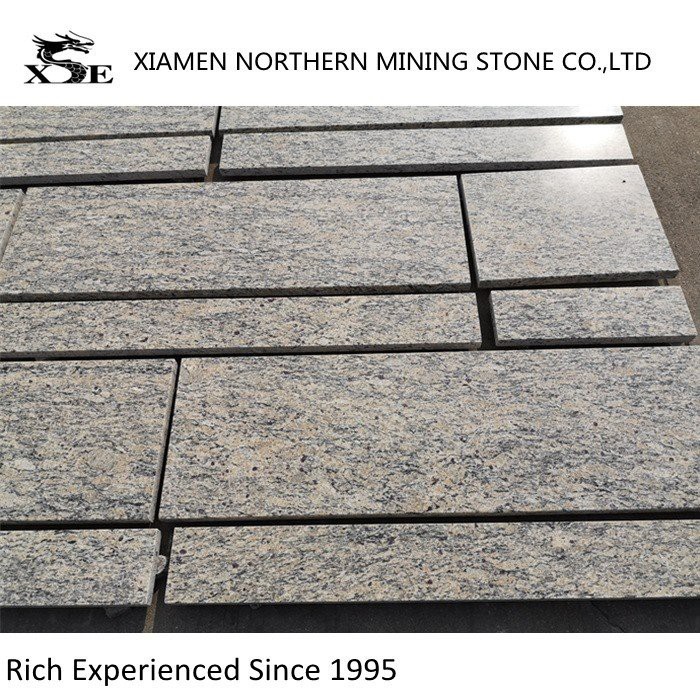
The pattern of the granite should also be consistent. If you're buying multiple slabs for a large project like a kitchen countertop, the pattern should flow seamlessly from one slab to another. For instance, Santa Cecilia Light Granite Kitchen installations require the pattern to match as closely as possible to create a cohesive and aesthetically pleasing look.
Surface Smoothness
Run your hand across the surface of the granite. A high - quality Level 2 Granite should feel smooth and free of any rough patches or pits. These imperfections can not only affect the appearance of the granite but also make it more difficult to clean and maintain. If you notice any rough spots or pockmarks, it could be a sign of poor polishing or underlying issues with the stone.
2. Structural Integrity
Hardness and Density
Granite is a hard stone, but the hardness can vary among different types and qualities. You can perform a simple scratch test using a key or a piece of glass. A good - quality Level 2 Granite should resist scratching from these common objects. The density of the granite is also important. Higher density usually means better durability and a lower chance of absorbing liquids.
A denser granite is less likely to stain or chip over time. For example, when using Santa Cecilia Granite Slab in a busy kitchen, a dense granite will hold up better against the daily wear and tear of chopping, spills, and heat exposure.
Cracks and Fractures
Inspect the granite carefully for any visible cracks or fractures. Even small cracks can expand over time due to changes in temperature, moisture, or pressure. Cracks not only compromise the strength of the granite but also make it more prone to chipping and breakage. When examining a slab, look at it from different angles in good lighting conditions. Any signs of cracks, especially those running through the slab, are a red flag and indicate poor quality.
3. Absorption Rate
The absorption rate of granite is a key factor in determining its quality. A lower absorption rate means that the granite is less likely to absorb stains and moisture. To test the absorption rate, place a few drops of water on the surface of the granite and let it sit for 10 - 15 minutes. Then, wipe the water off with a clean cloth.
If the granite has a low absorption rate, the surface should dry completely, leaving no visible water stains or discoloration. On the other hand, if the granite has a high absorption rate, you may notice that the water has seeped into the stone, leaving a dark spot. A high - quality Level 2 Granite should have an absorption rate of less than 0.5%.
4. Chemical Resistance
Granite is often exposed to various chemicals in a kitchen or bathroom setting, such as cleaning agents, acids from food, and alkalis from soaps. A good - quality Level 2 Granite should be resistant to these chemicals. You can perform a simple chemical resistance test by applying a small amount of a common household cleaner or a weak acid (like lemon juice) to a discreet area of the granite.
Leave it on for a few minutes, then wipe it off. If the granite is of good quality, there should be no visible damage or discoloration. However, if the surface becomes dull, etched, or discolored, it indicates poor chemical resistance and a lower - quality granite.
5. Certification and Source
Certification
Reputable suppliers of Level 2 Granite should be able to provide certification for their products. These certifications can include information about the granite's origin, quality testing, and compliance with industry standards. For example, a certification may indicate that the granite has been tested for hardness, absorption rate, and chemical resistance, giving you confidence in its quality.
Source
Knowing where the granite comes from can also be an important indicator of quality. Some regions are known for producing high - quality granite due to their unique geological conditions. For instance, certain quarries are renowned for their consistent stone quality and reliable extraction processes. When you're sourcing Level 2 Granite, ask the supplier about the origin of the stone and if they have a history of working with that particular quarry.
Conclusion
Determining the quality of Level 2 Granite is a multi - faceted process that involves examining its physical appearance, structural integrity, absorption rate, chemical resistance, and the credibility of the source. By keeping these factors in mind, you can make an informed decision when purchasing Level 2 Granite for your project.
Whether you're looking to install Santa Cecilia Light Granite in your kitchen or other areas of your home, ensuring quality is essential for a long - lasting and beautiful installation.
If you're interested in learning more about our Level 2 Granite products or would like to discuss a potential purchase, please don't hesitate to reach out. We're here to help you find the perfect granite for your needs.
References
- Stimpson, J. (2018). Granite Countertop Encyclopedia: The Complete Guide to Choosing, Buying, and Installing Granite Countertops. CreateSpace Independent Publishing Platform.
- Building Stone Institute. (2020). Stone Selection Guide. Retrieved from the Building Stone Institute website.