

How can you tell if a marble is rare?
Nov 14, 2025
Leave a message
Hey there! I'm a marble supplier, and I've been in the business for quite a while. One question I get a lot is, "How can you tell if a marble is rare?" Well, let me break it down for you.
Color and Pattern
First off, color and pattern play a huge role. Rare marbles often have unique colors that you don't see every day. For example, a marble with a deep, rich purple hue or a bright, neon - like color is likely to be rare. Some marbles have patterns that are so intricate and one - of - a - kind that they stand out from the crowd.
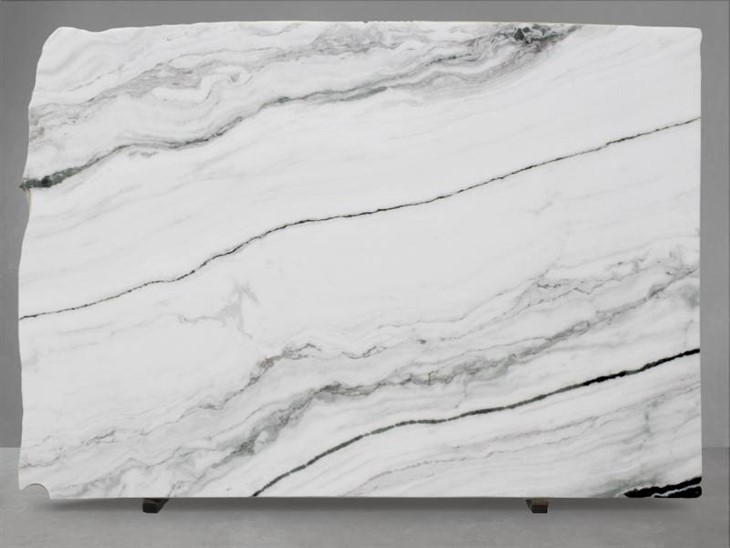
Take the Marble Piece for instance. It might have a swirling pattern that looks like a galaxy, with different colors blending together in a way that's truly mesmerizing. These types of patterns are not mass - produced, and that's what makes them special.
In nature, certain color combinations are just harder to come by. Marbles that are mined from specific regions where the geological conditions are just right for creating these unique colors are rarer. For example, marbles from some remote mountain quarries might have a natural green tint due to the presence of certain minerals in the rock. This kind of natural variation is a big indicator of rarity.
Origin
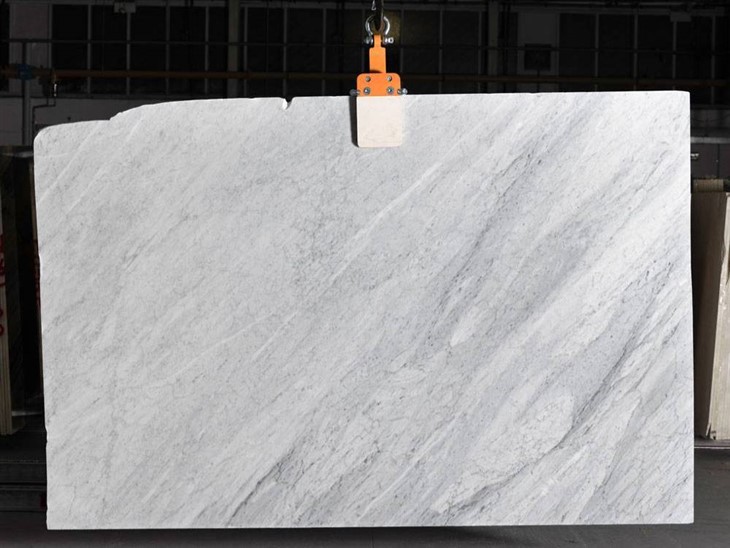
The origin of a marble can tell you a lot about its rarity. Some quarries around the world are famous for producing high - quality and rare marbles. Carrara marble from Italy is well - known, but even within Carrara, there are certain veins and blocks that are extremely rare.
If a marble comes from a small, exclusive quarry that's difficult to access or has limited production, it's likely to be rare. These quarries might have been closed down over time, which makes the marbles that were sourced from them even more valuable.
For example, there are some old quarries in Greece that used to produce a type of marble with a golden sheen. Since these quarries are no longer in operation, the marbles from there are becoming increasingly rare. When you're looking at a marble, ask where it's from. If it's from a hard - to - find or now - defunct quarry, you might have a rare one on your hands.
Age
Age is another factor. Old marbles, especially those from certain historical periods, can be very rare. Antique marbles were often hand - made, and the techniques used back then were different from modern mass - production methods.
For example, marbles made in the 19th century in Germany were known for their high - quality glass and unique designs. These marbles were often used as playthings for children of the upper classes, and over time, many have been lost or damaged. So, finding an intact, antique marble from that era is quite rare.
If you come across a marble that has some signs of age, like a bit of wear and tear that shows it's been around for a while, it could be a valuable find. But be careful, because sometimes people try to fake the age of a marble. Look for things like the type of glass or stone used, and any markings that might indicate its age.
Size and Shape
Size and shape can also indicate rarity. Most common marbles are spherical and come in standard sizes. But if you find a marble that's an unusual shape, like an oval or a cube, it's probably rare.
Similarly, marbles that are much larger or smaller than the norm are also more likely to be rare. For example, a giant marble that's several inches in diameter is not something you see every day. These large marbles might have been made for special occasions or as display pieces.
On the other hand, tiny marbles, sometimes called "shooters" in marble - playing terms, that are extremely small and well - made can also be rare. They require a high level of skill to produce, especially in the past when tools were more basic.
Rarity of Production
The way a marble was produced can tell you a lot. Hand - made marbles are generally rarer than machine - made ones. In the past, artisans would spend hours creating each marble, carefully shaping and coloring it.
Machine - made marbles became more common in the 20th century, but even among machine - made marbles, there are some that were produced in limited quantities. For example, a special run of marbles made for a particular event or to commemorate something might be rare.
If a marble has some sort of unique production mark or a signature that indicates it was made by a well - known marble maker, it could be more valuable. These marks are like a stamp of authenticity and rarity.
Market Demand
Finally, market demand can also affect how rare a marble is considered. If there's a high demand for a certain type of marble, even if it's not extremely scarce in terms of quantity, it can be seen as rare.
For example, if a particular color or pattern of marble becomes popular in the interior design world, suddenly, marbles with that characteristic become more sought - after. This increased demand can drive up the price and make them seem rarer.
As a marble supplier, I've seen all kinds of marbles pass through my hands. I'm always on the lookout for those rare gems that will really stand out to my customers. If you're interested in adding some rare marbles to your collection or using them in a project, I'd love to talk to you. Whether you're an interior designer looking for that perfect piece to make a statement in a room or a collector searching for that next valuable addition, I can help you find the right marble.
Contact me if you want to start a conversation about rare marbles. We can discuss your needs, budget, and the different options available. I'm here to make sure you get the best marble for your project.
References
- "The World of Marbles: A Collector's Guide" by John Smith
- "Marble Quarries Around the Globe" by Jane Doe
- Online forums and communities dedicated to marble collecting and trading