

How can you tell if a marble is natural or synthetic?
Aug 18, 2025
Leave a message
As a marble supplier, I often encounter customers who are unsure whether the marble they're looking at is natural or synthetic. This is a crucial question, as the properties, value, and uses of natural and synthetic marbles can vary significantly. In this blog post, I'll share some insights and methods to help you tell the difference between the two.
Understanding the Basics: Natural vs. Synthetic Marble
Before delving into the identification methods, it's essential to understand what natural and synthetic marbles are. Natural marble is a metamorphic rock formed over millions of years under high pressure and temperature. It is composed mainly of calcite or dolomite crystals and is quarried from the earth. Each slab of natural marble has unique veining and color variations, making it one-of-a-kind.
On the other hand, synthetic marble, also known as engineered marble or cultured marble, is a man-made material. It is typically made by combining crushed natural marble with resins, pigments, and other additives. The mixture is then molded into slabs or shapes, which can mimic the appearance of natural marble.
Visual Inspection
One of the first steps in determining whether a marble is natural or synthetic is through visual inspection.
Color and Veining
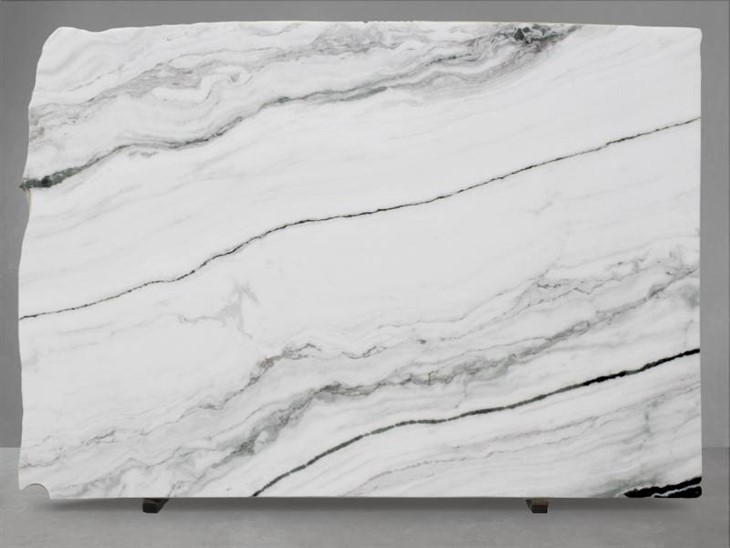
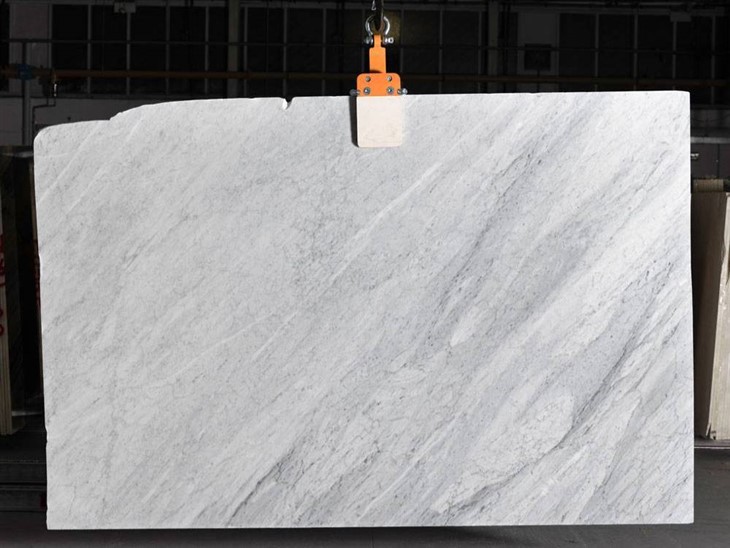
Natural marble often has more subtle and irregular color variations and veining patterns. The veins in natural marble are formed by the movement of minerals during the rock's formation, resulting in unique and organic-looking patterns. These veins can be thin and wispy or thick and bold, and they may vary in color from white to gray, brown, or even black.
Synthetic marble, on the other hand, may have more uniform color and veining. Manufacturers often try to replicate the look of natural marble, but the patterns can appear too perfect or repetitive. The veins in synthetic marble are usually printed or created using molds, which can make them look less natural.
Surface Texture
Natural marble has a smooth and cool surface to the touch. It may have small pits or pores on the surface, which are a result of the natural formation process. These imperfections are a sign of authenticity and add to the character of the stone.
Synthetic marble, on the other hand, may have a more plastic or resinous feel. The surface may be overly smooth and shiny, and it may not have the same level of texture as natural marble. Some synthetic marbles may also have a slightly tacky or sticky feel, especially if they are not properly cured.
Physical Properties
In addition to visual inspection, you can also examine the physical properties of the marble to determine its authenticity.
Hardness
Natural marble is a relatively soft stone, with a Mohs hardness rating of 3 to 4. This means that it can be scratched relatively easily with a sharp object, such as a knife or a piece of glass. If you try to scratch the surface of a marble and it leaves a mark, it is likely to be natural marble.
Synthetic marble, on the other hand, is usually harder than natural marble. It is often made with resins and other additives that make it more durable and resistant to scratching. If you try to scratch the surface of a synthetic marble and it does not leave a mark, it is likely to be synthetic.
Density
Natural marble is a dense stone, with a specific gravity of around 2.7. This means that it is heavier than most synthetic materials. If you pick up a piece of marble and it feels heavy for its size, it is likely to be natural marble.
Synthetic marble, on the other hand, is usually lighter than natural marble. It is often made with lightweight materials, such as polymers and fillers, which reduce its density. If you pick up a piece of marble and it feels light for its size, it is likely to be synthetic.
Chemical Tests
If you're still unsure whether a marble is natural or synthetic, you can perform some chemical tests. However, these tests should be done with caution, as they can damage the surface of the marble.
Acid Test
Natural marble is composed mainly of calcium carbonate, which reacts with acids. If you apply a small amount of vinegar or lemon juice to the surface of a natural marble, it will fizz and bubble. This is because the acid is reacting with the calcium carbonate in the stone.
Synthetic marble, on the other hand, is usually made with resins and other materials that do not react with acids. If you apply a small amount of vinegar or lemon juice to the surface of a synthetic marble, it will not fizz or bubble.
Burn Test
Another way to test the authenticity of a marble is to perform a burn test. Natural marble is a non-combustible material, which means that it will not burn or melt when exposed to heat. If you hold a flame to the surface of a natural marble, it will not catch fire or change its shape.
Synthetic marble, on the other hand, is usually made with resins and other materials that are combustible. If you hold a flame to the surface of a synthetic marble, it may catch fire or melt. However, this test should be done with extreme caution, as it can be dangerous and may damage the marble.
Seeking Professional Help
If you're still unsure whether a marble is natural or synthetic, or if you need more detailed information about a specific type of marble, it's always a good idea to seek professional help. A qualified geologist, stone fabricator, or marble expert can perform more advanced tests and provide you with accurate information about the authenticity and quality of the marble.
Conclusion
In conclusion, telling the difference between natural and synthetic marble requires a combination of visual inspection, physical properties, and chemical tests. By examining the color, veining, surface texture, hardness, density, and other characteristics of the marble, you can determine whether it is natural or synthetic. However, if you're still unsure, it's always a good idea to seek professional help.
As a marble supplier, I am committed to providing my customers with high-quality natural marble products. If you're interested in purchasing natural marble for your next project, please feel free to contact me for more information and to discuss your specific needs. I would be happy to help you find the perfect marble for your project and provide you with all the information you need to make an informed decision.
References
- "Marble: A Guide to Natural and Synthetic Stone." The Spruce.
- "How to Tell the Difference Between Natural and Synthetic Marble." HomeAdvisor.
- "Marble Identification: Natural vs. Synthetic." Stone World.