

Do quartz countertops attract dust?
Oct 20, 2025
Leave a message
Quartz countertops have gained immense popularity in recent years due to their durability, aesthetic appeal, and low maintenance requirements. As a leading supplier of quartz countertops, I often receive questions from customers about various aspects of these products. One common query that frequently arises is, "Do quartz countertops attract dust?" In this blog post, I will delve into this question and provide you with a comprehensive understanding of how quartz countertops interact with dust.
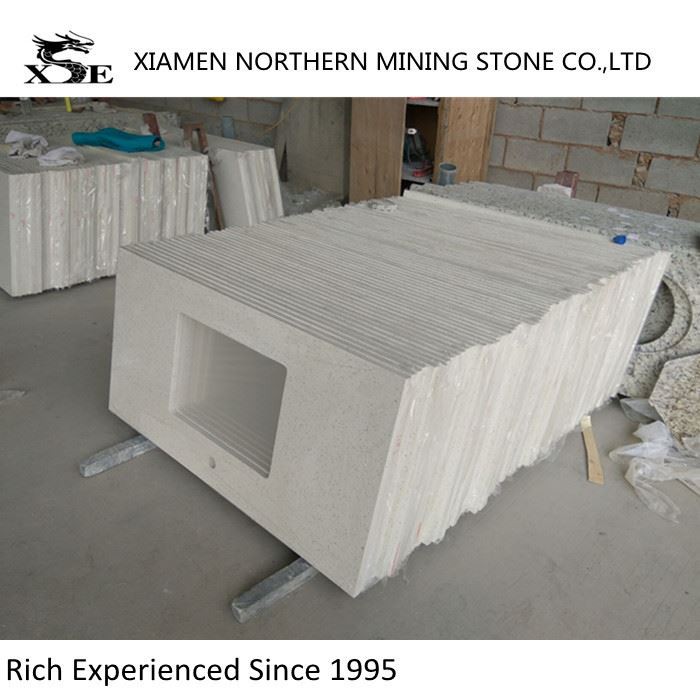
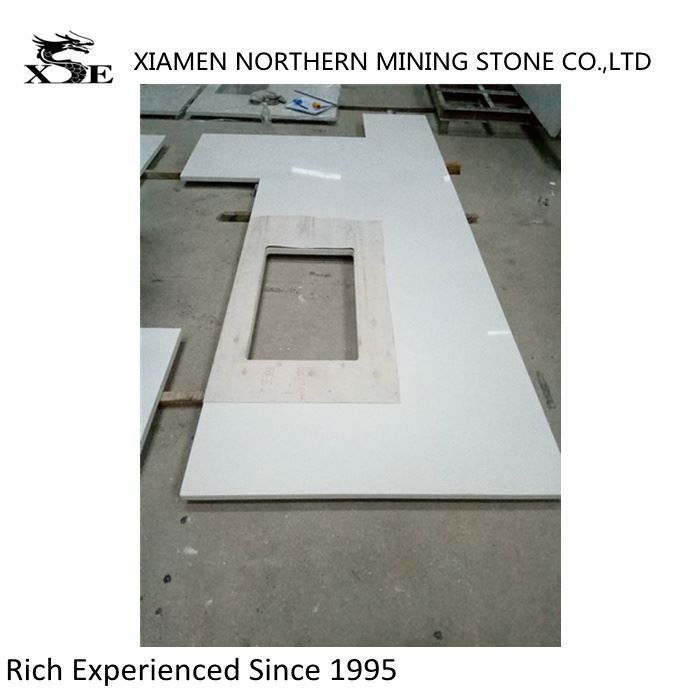
Understanding Quartz Countertops
Before we discuss whether quartz countertops attract dust, it's essential to understand what quartz countertops are made of. Quartz countertops are engineered stone surfaces composed of approximately 90 - 94% natural quartz crystals, combined with resins, polymers, and pigments. This composition gives quartz countertops their exceptional strength, resistance to scratches, stains, and heat, as well as a wide range of colors and patterns to choose from.
The Surface Properties of Quartz Countertops
The surface of a quartz countertop is non - porous, which means it does not have tiny holes or pores like some natural stones such as marble or granite. This non - porous nature is one of the key factors that influence its interaction with dust.
Non - porous surfaces generally have less tendency to trap dust compared to porous surfaces. When dust lands on a non - porous quartz countertop, it sits on the surface rather than seeping into the material. This makes it easier to clean the dust off the countertop.
Factors Affecting Dust Attraction
While quartz countertops are non - porous, several factors can influence whether they attract dust.
Static Electricity
Static electricity can cause dust to adhere to surfaces. Quartz countertops, like many other materials, can generate static electricity under certain conditions. For example, when you wipe the countertop with a dry cloth, friction can create static charges. These charges can attract dust particles from the surrounding air, causing them to stick to the countertop surface.
Location and Environment
The location of the quartz countertop also plays a significant role in dust attraction. If the countertop is installed in a room with high traffic, such as a kitchen or a hallway, it is more likely to come into contact with dust carried by people and pets. Similarly, if the room has poor ventilation or is located in an area with high levels of airborne dust, the countertop will accumulate dust more quickly.
Surface Finish
The finish of the quartz countertop can affect dust attraction. A polished finish is smoother and reflects light better, but it may show dust more easily compared to a honed or matte finish. A honed finish has a slightly rougher texture, which can make dust less visible, although it may also have more areas for dust to settle on a microscopic level.
Comparing Quartz Countertops with Other Countertop Materials
When comparing quartz countertops with other common countertop materials, such as granite and laminate, quartz generally has an advantage in terms of dust management.
Granite, a natural stone, is porous and can absorb dust and dirt over time. This makes it more difficult to clean and may require more frequent sealing to prevent dust from penetrating the surface.
Laminate countertops, on the other hand, are made of layers of plastic and paper. While they are also relatively easy to clean, they can be more prone to scratches, which can trap dust in the damaged areas.
Cleaning and Maintaining Quartz Countertops to Minimize Dust
To keep your quartz countertops looking clean and minimize dust accumulation, here are some tips:
Regular Dusting
Use a soft, dry microfiber cloth to dust your quartz countertop regularly. Microfiber cloths are effective at picking up dust without scratching the surface. You can also use a feather duster for a quick dusting.
Cleaning with a Damp Cloth
For a more thorough cleaning, use a damp microfiber cloth to wipe the countertop. The moisture helps to loosen the dust and makes it easier to remove. Avoid using abrasive cleaners or scrubbers, as they can damage the surface of the quartz countertop.
Anti - Static Sprays
If static electricity is a problem, you can use an anti - static spray specifically designed for countertops. These sprays help to reduce static charges and prevent dust from sticking to the surface.
Our Quartz Countertop Products
At our company, we offer a wide range of high - quality quartz countertops to meet your needs. Our Solid White Quartz Vanity Top is a popular choice for bathrooms, providing a clean and elegant look. The white color is timeless and can brighten up any bathroom space.
For dining areas, our Grey Quartz Dining Table Top offers a modern and sophisticated option. The grey color is versatile and can complement various interior design styles.
In the kitchen, our White Quartz Kitchen Countertops are a practical and stylish choice. They are resistant to stains and scratches, making them ideal for a busy kitchen environment.
Conclusion
In conclusion, while quartz countertops are non - porous and generally have less tendency to trap dust compared to porous materials, they can still attract dust due to factors such as static electricity, location, and surface finish. However, with proper cleaning and maintenance, you can keep your quartz countertops looking clean and dust - free.
If you are interested in purchasing high - quality quartz countertops for your home or project, we invite you to contact us for a detailed discussion. Our team of experts is ready to assist you in choosing the right quartz countertop that meets your requirements and budget.
References
- "Quartz Countertops: A Comprehensive Guide" - Home Improvement Magazine
- "The Science of Countertop Materials" - Journal of Building Materials
- "Cleaning and Maintenance of Engineered Stone Countertops" - Professional Cleaning Association