

Do marble slabs need to be resealed regularly?
Aug 29, 2025
Leave a message
As a supplier of marble slabs, I often get asked whether marble slabs need to be resealed regularly. It's a question that comes up a lot, and for good reason. Marble is a beautiful and elegant natural stone that can add a touch of luxury to any space. But it's also a porous material that can be susceptible to staining and damage if not properly cared for. In this blog post, I'll share my insights on whether marble slabs need to be resealed regularly and provide some tips on how to keep your marble looking its best.
First, let's talk about what sealing marble does. When you seal a marble slab, you're essentially creating a protective barrier on the surface of the stone. This barrier helps to prevent liquids and stains from penetrating the pores of the marble, making it easier to clean and maintain. Sealing also helps to protect the marble from scratches and other types of damage.
So, do marble slabs need to be resealed regularly? The answer is yes, but it depends on a few factors. The frequency of resealing will depend on how often the marble is used, the type of marble, and the environment in which it's installed.
If you have marble countertops in a kitchen, for example, you'll likely need to reseal them more often than if you have marble flooring in a low-traffic area. Kitchen countertops are exposed to a lot of moisture, spills, and acidic substances like lemon juice and vinegar, which can break down the sealant over time. In this case, it's recommended to reseal your marble countertops every 6 to 12 months.
On the other hand, if you have marble flooring in a hallway or a guest bathroom that doesn't get a lot of foot traffic, you may only need to reseal it every 1 to 2 years. The less the marble is exposed to wear and tear, the longer the sealant will last.
The type of marble also plays a role in how often it needs to be resealed. Some types of marble are more porous than others, which means they'll absorb liquids and stains more easily. For example, Carrara marble is a relatively porous type of marble that may need to be resealed more often than a denser type of marble like Calacatta.
The environment in which the marble is installed can also affect how often it needs to be resealed. If the marble is installed in a humid environment, like a bathroom or a pool area, it may need to be resealed more often to prevent moisture from seeping into the pores of the stone.
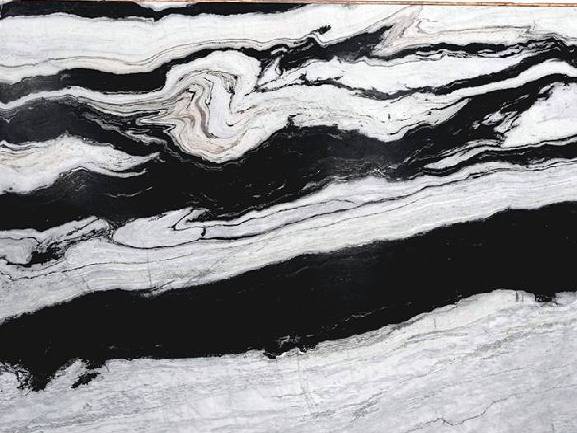

Now that you know how often to reseal your marble slabs, let's talk about how to do it. Resealing marble is a relatively simple process that you can do yourself with the right tools and materials. Here's a step-by-step guide on how to reseal your marble slabs:
- Clean the marble surface thoroughly. Use a mild, pH-neutral cleaner and a soft cloth or sponge to remove any dirt, grime, or stains from the surface of the marble. Rinse the surface with clean water and dry it completely with a clean towel.
- Apply the sealant. There are two main types of sealants for marble: penetrating sealants and topical sealants. Penetrating sealants are absorbed into the pores of the marble, while topical sealants form a protective layer on the surface of the stone. Choose a sealant that's specifically designed for marble and follow the manufacturer's instructions for application.
- Let the sealant dry. The drying time will depend on the type of sealant you're using and the temperature and humidity of the environment. In general, it's recommended to let the sealant dry for at least 24 hours before using the marble surface.
- Test the seal. After the sealant has dried, test the seal by placing a few drops of water on the surface of the marble. If the water beads up and doesn't absorb into the stone, the seal is working. If the water absorbs into the stone, it's time to reseal the marble.
In addition to resealing your marble slabs regularly, there are a few other things you can do to keep your marble looking its best. Here are some tips:
- Wipe up spills immediately. Marble is porous, so it's important to wipe up spills as soon as they happen to prevent them from staining the stone.
- Use coasters and placemats. To protect your marble countertops from scratches and stains, use coasters under glasses and placemats under plates and bowls.
- Avoid using abrasive cleaners. Abrasive cleaners can scratch the surface of the marble and damage the sealant. Instead, use a mild, pH-neutral cleaner and a soft cloth or sponge.
- Use a cutting board. To prevent scratches on your marble countertops, always use a cutting board when chopping or slicing food.
In conclusion, marble slabs do need to be resealed regularly to keep them looking their best and to protect them from staining and damage. The frequency of resealing will depend on how often the marble is used, the type of marble, and the environment in which it's installed. By following the tips in this blog post, you can keep your marble looking beautiful for years to come.
If you're in the market for high-quality marble slabs, we've got you covered. Check out our Panda Marble Slab, Marble Hearth Slab, and Red Marble Slab. We offer a wide range of marble slabs in different colors, patterns, and sizes to suit your needs. If you have any questions or would like to discuss your project, feel free to reach out. We're here to help you find the perfect marble for your space.
References
- "Marble Care and Maintenance." Marble Institute of America.
- "How to Seal Marble Countertops." This Old House.