

Can marble be recycled?
Nov 05, 2025
Leave a message
Marble, with its timeless elegance and luxurious appeal, has been a staple in construction and design for centuries. As a marble supplier deeply invested in the industry, I often encounter questions about the environmental impact of marble and its recyclability. In this blog post, I will explore the possibility of recycling marble, delving into the processes, benefits, and challenges associated with this practice.
Understanding Marble
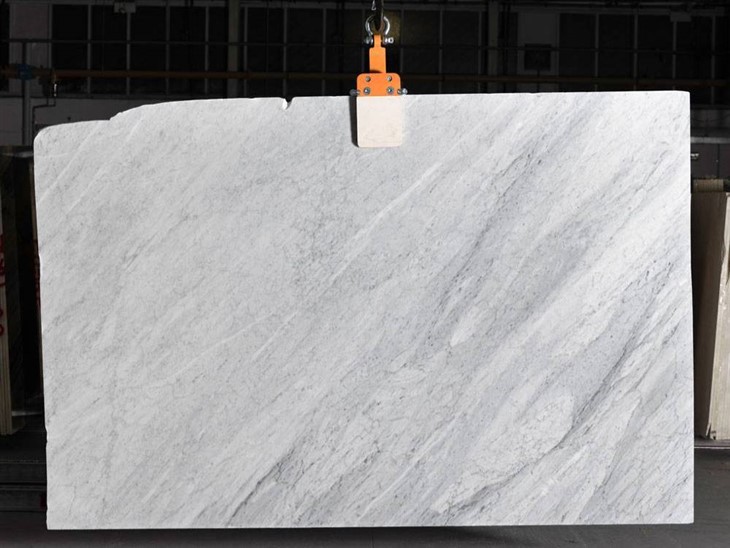
Before we dive into the topic of recycling, it's essential to understand what marble is. Marble is a metamorphic rock formed from limestone that has been subjected to high pressure and heat over time. This process gives marble its characteristic veining and unique color patterns, making it a popular choice for countertops, flooring, sculptures, and other decorative applications.
Marble is primarily composed of calcium carbonate, which makes it a relatively soft and porous material. Its physical properties, such as hardness and density, can vary depending on the specific type of marble and its geological origin. These properties also play a role in determining the feasibility of recycling marble.
The Case for Recycling Marble
In recent years, there has been a growing emphasis on sustainability and environmental responsibility in the construction and design industries. Recycling marble offers several benefits that align with these goals.
Environmental Benefits
One of the primary advantages of recycling marble is the conservation of natural resources. Mining marble is a resource-intensive process that can have significant environmental impacts, including habitat destruction, soil erosion, and water pollution. By recycling existing marble, we can reduce the demand for new marble extraction, thereby minimizing the environmental footprint of the industry.
Recycling also helps to reduce waste sent to landfills. Marble waste, such as offcuts, remnants, and damaged pieces, can take up a significant amount of space in landfills. By diverting this waste from landfills and recycling it into new products, we can extend the lifespan of these materials and reduce the need for additional landfill space.
Economic Benefits
In addition to its environmental benefits, recycling marble can also have economic advantages. Recycling marble can reduce the cost of raw materials for manufacturers, as recycled marble is often less expensive than newly mined marble. This cost savings can be passed on to consumers, making marble products more affordable and accessible.
Recycling marble can also create new business opportunities and jobs in the recycling and manufacturing sectors. As the demand for recycled marble products increases, there is a growing need for companies that specialize in marble recycling and processing. These companies can provide employment opportunities and contribute to the local economy.
The Recycling Process
The process of recycling marble involves several steps, from collection and sorting to processing and manufacturing. Here is a general overview of the recycling process:
Collection and Sorting
The first step in the recycling process is the collection of marble waste. This can include offcuts from construction sites, damaged pieces from manufacturing facilities, and discarded marble products from homeowners and businesses. Once the marble waste has been collected, it is sorted based on its size, quality, and composition.
Crushing and Grinding
After the marble waste has been sorted, it is crushed and ground into smaller pieces. This process helps to break down the marble into a more manageable size and prepare it for further processing. The crushed marble can then be screened to remove any impurities or contaminants.

Processing and Manufacturing
Once the marble has been crushed and ground, it can be processed into a variety of new products. One common method of processing recycled marble is to mix it with a binder, such as resin or cement, to create a composite material. This composite material can then be used to manufacture a range of products, including countertops, flooring tiles, and decorative objects.
Another method of processing recycled marble is to use it as an aggregate in concrete or asphalt. In this case, the recycled marble is mixed with other materials, such as sand, gravel, and cement, to create a strong and durable construction material.
Challenges and Limitations
While recycling marble offers many benefits, there are also several challenges and limitations associated with this practice.
Contamination
One of the main challenges in recycling marble is contamination. Marble waste can be contaminated with a variety of substances, such as paint, adhesives, and other chemicals. These contaminants can make it difficult to recycle the marble and may require additional processing steps to remove them.
Quality Control
Another challenge in recycling marble is maintaining quality control. The quality of recycled marble can vary depending on the source of the waste and the processing methods used. It is important to ensure that the recycled marble meets the same quality standards as newly mined marble to ensure its suitability for use in various applications.
Market Demand
Finally, there is a limited market demand for recycled marble products. While there is a growing interest in sustainable and environmentally friendly products, many consumers still prefer the look and feel of natural marble. This can make it difficult for manufacturers to sell recycled marble products and may limit the growth of the recycling industry.
Conclusion
In conclusion, while recycling marble is possible and offers several environmental and economic benefits, there are also several challenges and limitations associated with this practice. As a marble supplier, I believe that it is important to explore ways to reduce the environmental impact of the industry and promote the use of sustainable materials.
One way to encourage the recycling of marble is to increase awareness among consumers and businesses about the benefits of recycled marble products. By educating consumers about the environmental and economic advantages of recycling marble, we can help to create a greater demand for these products and support the growth of the recycling industry.
Another way to promote the recycling of marble is to invest in research and development to improve the recycling process and develop new products made from recycled marble. By working together with manufacturers, designers, and other stakeholders, we can find innovative solutions to the challenges and limitations associated with recycling marble and create a more sustainable future for the industry.
If you are interested in learning more about our marble products or would like to discuss the possibility of using recycled marble in your next project, please do not hesitate to contact us for a quote. We are committed to providing high-quality marble products and services that meet the needs of our customers while also promoting sustainability and environmental responsibility.
References
- American Institute of Architects. (2019). The Future of Sustainable Design. Retrieved from https://www.aia.org/resources/10964-the-future-of-sustainable-design
- National Stone, Sand & Gravel Association. (2020). Recycling in the Aggregate Industry. Retrieved from https://www.nssga.org/recycling-in-the-aggregate-industry
- U.S. Environmental Protection Agency. (2021). Recycling Basics. Retrieved from https://www.epa.gov/recycle/recycling-basics