

Can I install a Panda White Marble Slab on a curved surface?
Jun 30, 2025
Leave a message
Hey there! As a Panda White Marble Slab supplier, I often get asked some interesting questions. One that pops up quite a bit is, "Can I install a Panda White Marble Slab on a curved surface?" Well, let's dive right into this topic and break it down.
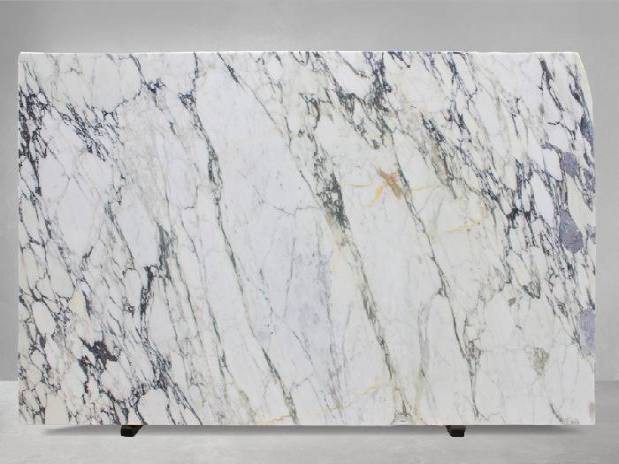
First off, let's talk a bit about Panda White Marble. It's a beautiful and elegant natural stone with unique veining patterns that can add a touch of luxury to any space. The smooth, white surface with those delicate grey veins makes it a favorite among designers and homeowners alike. But when it comes to installing it on a curved surface, things get a bit tricky.
The Challenges of Installing Marble on Curved Surfaces
Marble, including Panda White Marble, is a hard and brittle material. Unlike some flexible materials, it doesn't bend easily. When you try to install a flat marble slab on a curved surface, you're likely to face some major issues.
One of the main problems is cracking. As you try to force the slab to conform to the curve, the internal stress within the marble can cause it to crack. And once a marble slab cracks, it's not only a cosmetic issue but also a structural one. The integrity of the slab is compromised, and it might not hold up well over time.
Another challenge is the fitting. A flat slab has straight edges, and getting it to fit perfectly on a curved surface is extremely difficult. There will likely be gaps between the slab and the surface, which can not only look bad but also allow dirt and moisture to seep in, leading to potential damage in the long run.
Possible Solutions
So, does that mean you can never install a Panda White Marble Slab on a curved surface? Not necessarily. There are a few possible solutions that can make it work, but they come with their own set of requirements and costs.
Custom - Shaped Marble
One option is to have custom - shaped marble pieces made. Instead of using a flat slab, you can work with a skilled stone fabricator to cut the marble into smaller, curved pieces that fit the surface precisely. This process is called "radius work" or "curved fabrication." The fabricator will use specialized tools and techniques to cut and shape the marble, taking into account the exact dimensions and curvature of the surface.
However, this option is quite expensive. Custom fabrication requires a lot of time, skill, and specialized equipment. You'll also need to factor in the cost of waste, as there will be some material that gets discarded during the cutting and shaping process.
Thin Veneers
Another solution is to use thin marble veneers. Veneers are much thinner than full - thickness slabs, which makes them more flexible. They can be bent slightly to conform to a curve without cracking as easily as a thick slab.
You can apply the veneers to the curved surface using an appropriate adhesive. But keep in mind that thin veneers are more delicate and may require more careful handling during installation and use. They might also not have the same durability as full - thickness slabs.
Comparing with Other Types of Marble
When considering installing marble on a curved surface, it's also worth comparing Panda White Marble with other types of marble. For example, Red Marble Slab and Cold Jadeite Slabs Of Marble have their own characteristics.
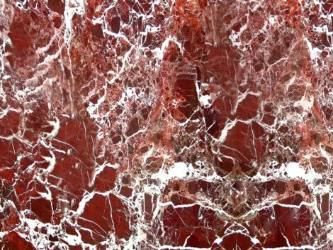
Red Marble Slab might have a different hardness and brittleness compared to Panda White Marble. Some red marbles can be more porous, which could affect how they hold up on a curved surface. Cold Jadeite Slabs Of Marble, on the other hand, may have a different veining pattern and density.
Calacatta Marble Slabs are known for their luxurious appearance. Like Panda White Marble, they are also a type of natural stone, and the same challenges of installing on a curved surface apply. However, Calacatta Marble may have a different price point and availability, which could factor into your decision - making process.
Installation Considerations
If you do decide to go ahead with installing Panda White Marble on a curved surface, there are some important installation considerations.
First, you need to make sure the surface is properly prepared. It should be clean, smooth, and free of any debris or irregularities. The surface also needs to be strong enough to support the weight of the marble.
During the installation, you'll need to use the right adhesive. A high - quality adhesive that can bond well with the marble and withstand the stress of the curved installation is crucial. You'll also need to follow the manufacturer's instructions carefully to ensure a proper bond.
After installation, proper maintenance is essential. Regular cleaning and sealing can help protect the marble from damage and keep it looking its best.
Is It Worth It?
The decision to install a Panda White Marble Slab on a curved surface ultimately comes down to your budget, your aesthetic goals, and your willingness to deal with the challenges. If you have a large budget and are looking for a truly unique and luxurious look, custom - shaped marble or thin veneers might be worth the investment.
However, if you're on a tight budget or are worried about the potential for damage, you might want to consider other materials or alternative design options. There are many other materials available that can mimic the look of marble and are more suitable for curved surfaces.
Contact for Purchase and Consultation
If you're still interested in exploring the possibility of using a Panda White Marble Slab for your project, whether it's a curved surface or a flat one, I'd love to have a chat with you. We can discuss your specific needs, your budget, and the best options for your project. Feel free to reach out, and we can start the conversation about turning your dream project into a reality.
References
- "Marble Installation Guide," Stone World Magazine
- "Curved Stone Fabrication Techniques," International Stone Institute
- "Maintenance of Natural Stone Surfaces," National Association of Stone Suppliers