

Can China Grey Marble be stained?
Sep 02, 2025
Leave a message
As a supplier of China Grey Marble, I often encounter questions from clients about the characteristics and maintenance of this elegant natural stone. One of the most frequently asked questions is whether China Grey Marble can be stained. In this blog post, I will delve into this topic, exploring the factors that influence staining, prevention methods, and solutions for dealing with stains.
Understanding China Grey Marble
China Grey Marble is a popular choice for various interior and exterior applications due to its unique aesthetic appeal. It features a beautiful grey color palette, ranging from light to dark shades, often with subtle veining that adds character and sophistication to any space. This natural stone is formed through a long geological process, resulting in a dense and durable material. However, like all marbles, it has certain properties that make it susceptible to staining under certain conditions.
What Causes Staining in China Grey Marble?
Marble is a porous material, which means it has tiny holes or pores on its surface. These pores can absorb liquids and substances, leading to stains. Several factors can contribute to staining in China Grey Marble:
- Organic Substances: Organic materials such as coffee, tea, wine, fruit juices, and food can leave stains on marble. These substances contain natural dyes and acids that can react with the calcium carbonate in the marble, causing discoloration. For example, red wine contains tannins that can penetrate the pores of the marble and leave a stubborn stain if not cleaned promptly.
- Inorganic Substances: Inorganic substances like oil, grease, and chemicals can also stain marble. Oil and grease can seep into the pores and create a dark, unsightly mark. Chemicals such as cleaning agents, acids, and alkalis can etch the surface of the marble, making it more prone to staining.
- Environmental Factors: Exposure to harsh environmental conditions can also affect the appearance of China Grey Marble. For instance, prolonged exposure to sunlight can cause the color of the marble to fade, while pollution and humidity can lead to the growth of mold and mildew, which can stain the surface.
Prevention is Key
The best way to deal with staining in China Grey Marble is to prevent it from happening in the first place. Here are some preventive measures you can take:
- Sealing: Applying a high-quality sealant to the surface of the marble is one of the most effective ways to prevent staining. A sealant creates a protective barrier that repels liquids and substances, making it easier to clean up spills before they have a chance to penetrate the pores. It is recommended to seal China Grey Marble regularly, depending on the level of use and exposure.
- Prompt Cleanup: Spills should be cleaned up immediately to prevent them from setting in. Use a soft, absorbent cloth or paper towel to blot the spill, rather than rubbing it, as rubbing can spread the stain and damage the surface of the marble. For stubborn stains, you can use a mild, pH-neutral cleaner specifically formulated for marble.
- Avoid Harsh Chemicals: Avoid using abrasive cleaners, acids, and alkalis on China Grey Marble, as these can damage the surface and make it more susceptible to staining. Instead, use gentle, natural cleaners or products recommended by the marble manufacturer.
- Use Coasters and Mats: Place coasters under glasses and cups to prevent water rings and stains. Use mats in high-traffic areas and areas prone to spills, such as kitchens and bathrooms, to protect the marble from damage.
Dealing with Stains
Despite your best efforts, stains may still occur on China Grey Marble. Here are some steps you can take to remove stains:
- Identify the Stain: Different types of stains require different treatment methods. Organic stains, such as those caused by food and beverages, can often be removed using a poultice made from a mixture of baking soda and water. Inorganic stains, such as oil and grease, may require a specialized cleaner or solvent.
- Test in an Inconspicuous Area: Before applying any cleaning solution or treatment to the stained area, test it in a small, inconspicuous area of the marble to ensure it does not cause any damage or discoloration.
- Apply the Treatment: Once you have identified the stain and tested the treatment, apply it to the stained area according to the manufacturer's instructions. Use a soft brush or cloth to gently scrub the stain, being careful not to scratch the surface of the marble.
- Rinse and Dry: After applying the treatment, rinse the area thoroughly with clean water and dry it with a soft, absorbent cloth. Repeat the process if necessary until the stain is removed.
Comparing with Other Marble Types
To give you a better understanding of the staining characteristics of China Grey Marble, let's compare it with other popular marble types:
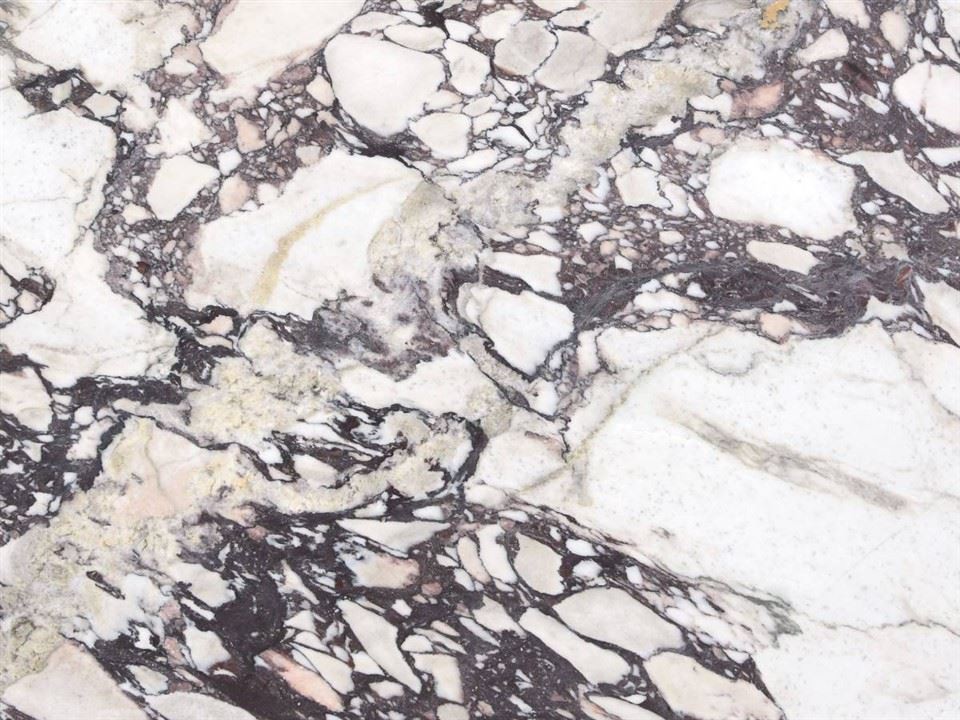
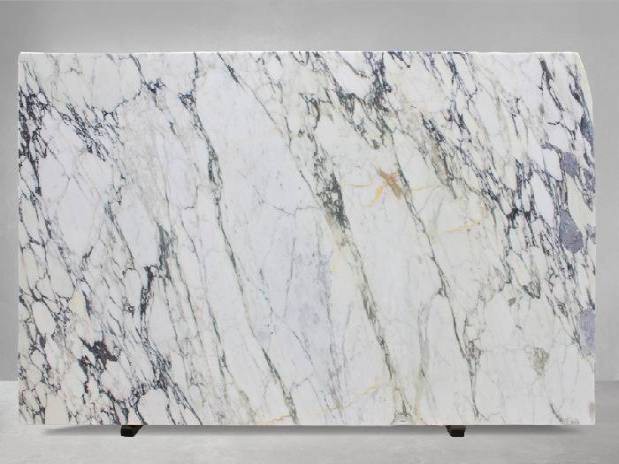
- Emperador Dark Marble Slab: Emperador Dark Marble is known for its rich, dark color and unique veining. Like China Grey Marble, it is a porous material and can be stained by organic and inorganic substances. However, due to its darker color, stains may be less noticeable compared to lighter-colored marbles.
- Carrara White Marble Slab: Carrara White Marble is a classic white marble with subtle grey veining. It is a popular choice for countertops, flooring, and sculptures. Carrara White Marble is more prone to staining than China Grey Marble, especially by organic substances, as the white color makes stains more visible.
- Breccia Marble Slab: Breccia Marble is a type of marble characterized by its broken fragments and irregular patterns. It is a durable and hard-wearing material, but it can still be stained by liquids and substances. The staining characteristics of Breccia Marble depend on its porosity and the type of minerals present in the stone.
Conclusion
In conclusion, China Grey Marble can be stained, but with proper care and maintenance, you can minimize the risk of staining and keep your marble looking beautiful for years to come. By sealing the marble, cleaning up spills promptly, avoiding harsh chemicals, and using coasters and mats, you can protect your China Grey Marble from stains and damage. If stains do occur, identify the type of stain and use the appropriate treatment method to remove it.
As a supplier of China Grey Marble, I am committed to providing high-quality products and expert advice to my clients. If you are interested in purchasing China Grey Marble for your next project, or if you have any questions about staining or maintenance, please feel free to contact me. I would be happy to discuss your needs and help you find the perfect marble solution for your space.
References
- "Marble Care and Maintenance Guide" by The Marble Institute of America
- "Stain Removal from Natural Stone" by Stone World Magazine
- "Understanding Porosity in Natural Stone" by Tile Council of North America