

Are there any safety precautions when handling Level 1 Granite slabs?
Dec 17, 2025
Leave a message
Hey there! I'm a supplier of Level 1 Granite slabs, and I often get asked if there are any safety precautions when handling these beauties. Well, the short answer is yes, and in this blog, I'll walk you through all you need to know to stay safe when dealing with Level 1 Granite.
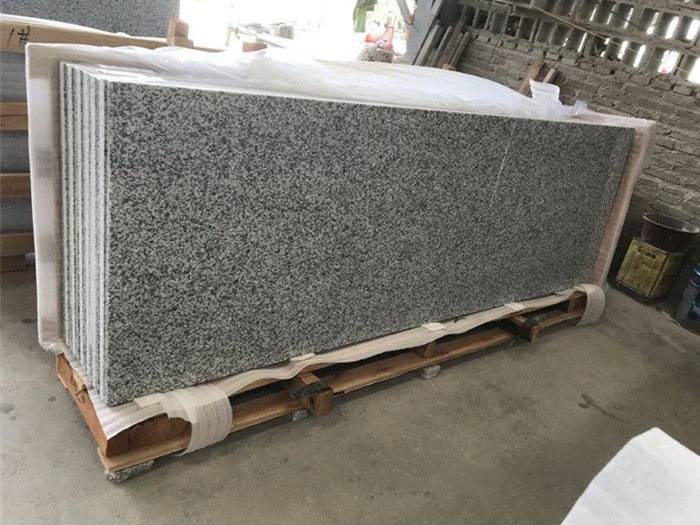
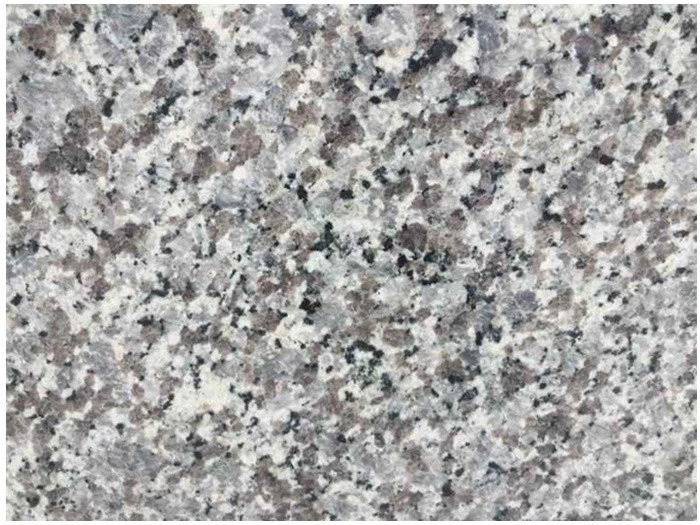
First off, let's talk about what Level 1 Granite is. It's a type of granite that's more commonly available and usually has a simpler pattern and color compared to higher - level granites. It's a great choice for those on a budget who still want the durability and beauty of granite in their homes. You can check out some of our great Level 1 Granite products like the Swan Gray Granite Countertop, Gray Granite Countertops Countertops, and Tiger Skin White Granite Countertop.
Physical Safety Precautions
Lifting and Moving
Granite slabs are heavy. Really heavy! A typical Level 1 Granite slab can weigh several hundred pounds, depending on its size and thickness. So, when it comes to lifting and moving these slabs, you've got to be extra careful.
- Use the Right Equipment: Don't even think about trying to lift a granite slab by yourself. You need proper lifting equipment like forklifts, hoists, or at least a sturdy set of lifting straps. Make sure the equipment is in good working condition and rated for the weight of the slab you're handling.
- Lift with Your Legs: If you're helping with the lifting process, remember to lift with your legs, not your back. Bend your knees, keep your back straight, and use your leg muscles to do the heavy - lifting. This technique can save you from serious back injuries.
- Watch Your Steps: When moving the slab, make sure the path is clear of obstacles. A small trip or stumble can cause the slab to shift and potentially fall, which is extremely dangerous.
Cutting and Polishing
If you're cutting or polishing Level 1 Granite slabs, there are specific safety measures you need to take.
- Wear Protective Gear: This includes safety goggles to protect your eyes from flying chips and dust, a dust mask to prevent inhalation of harmful particles, and ear protection if the cutting or polishing equipment is noisy. Gloves are also a must - have to protect your hands from sharp edges and chemicals used in the process.
- Proper Ventilation: Cutting and polishing granite generate a lot of dust. This dust can contain silica, which is a known carcinogen. So, make sure you're working in a well - ventilated area, preferably with an exhaust system to remove the dust from the workspace.
- Follow the Equipment Manual: Different cutting and polishing tools have different operating procedures. Read the manual carefully and follow it to the letter. This will help you avoid accidents and ensure that the equipment works efficiently.
Chemical Safety
Sealing Agents
Granite slabs usually need to be sealed to protect them from stains and moisture. The sealing agents used can contain chemicals that are harmful if not handled properly.
- Read the Label: Before using any sealing agent, read the label thoroughly. It will tell you about the proper handling, storage, and disposal of the product.
- Work in a Well - Ventilated Area: Similar to cutting and polishing, the fumes from sealing agents can be harmful. Make sure there's plenty of fresh air circulation in the area where you're applying the sealant.
- Wear Protective Clothing: In addition to gloves, consider wearing long - sleeved shirts and pants to protect your skin from contact with the sealing agent.
Cleaning Chemicals
When cleaning Level 1 Granite slabs, you need to be careful about the chemicals you use.
- Avoid Harsh Chemicals: Abrasive cleaners, acidic solvents, and bleaches can damage the surface of the granite. Instead, use mild, pH - neutral cleaners that are specifically formulated for granite.
- Test in an Inconspicuous Area: Before using a new cleaning chemical on the entire slab, test it in a small, hidden area first. This will help you make sure that the cleaner doesn't cause any discoloration or damage.
Storage Safety
Stacking
If you need to stack Level 1 Granite slabs, it's important to do it correctly.
- Use Spacers: Place spacers between each slab to prevent scratching and chipping. The spacers should be made of a soft material like rubber or felt.
- Stack on a Flat Surface: Make sure the surface where you're stacking the slabs is flat and level. An uneven surface can cause the slabs to shift and potentially break.
- Don't Over - Stack: Be aware of the weight - bearing capacity of the stacking area. Over - stacking can lead to the collapse of the stack, which is extremely dangerous.
Protection from the Elements
Granite slabs can be damaged by extreme weather conditions.
- Store Indoors: Whenever possible, store the slabs indoors. This will protect them from rain, snow, and extreme temperatures.
- Cover Outdoors: If you have to store the slabs outdoors, cover them with a waterproof tarp. Make sure the tarp is secured properly to prevent it from blowing off.
After - Handling Maintenance
Inspection
After handling the Level 1 Granite slabs, it's a good idea to inspect them for any damage.
- Check for Cracks and Chips: Look closely at the surface and edges of the slab for any signs of cracks or chips. If you find any, they may need to be repaired before installation.
- Verify the Finish: Make sure the finish of the slab is still smooth and free of scratches. Any damage to the finish can affect the appearance and durability of the granite.
Documentation
Keep records of the handling process, including any safety measures taken and any incidents that occurred.
- Safety Logs: Maintain safety logs to track the use of equipment, protective gear, and any chemical applications. This can help you identify any areas where safety procedures need to be improved.
- Damage Reports: If there was any damage to the slabs during handling, document it in detail. This can be useful for insurance claims or for communicating with your customers.
In conclusion, handling Level 1 Granite slabs requires a lot of safety precautions. From physical safety during lifting and cutting to chemical safety when using sealants and cleaners, every step of the process needs to be carefully managed. By following these safety tips, you can ensure that you and your team stay safe while working with these beautiful granite slabs.
If you're interested in purchasing Level 1 Granite slabs for your project, I'd love to have a chat with you. Whether it's for a kitchen countertop, a bathroom vanity, or any other application, we've got the right granite for you. Just reach out, and we can start discussing your needs and options.
References
- "Granite Countertop Installation Guide." Home Improvement Association.
- "Safety Standards for Stone Handling." National Stone Institute.