

Are there any ethical concerns in the trade of Level 1 White Quartz?
Oct 16, 2025
Leave a message
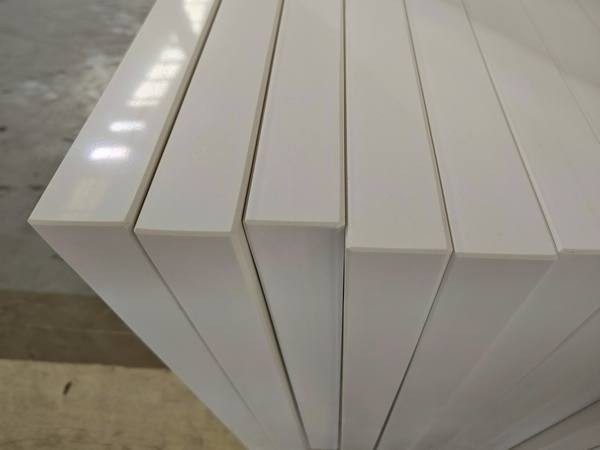
As a supplier of Level 1 White Quartz, I've been deeply involved in the trade of this exquisite material for many years. Level 1 White Quartz is a highly sought - after product in the market, known for its elegance, durability, and versatility. It is widely used in various applications, from kitchen countertops to dining table tops. However, as with any trade, there are ethical concerns that we need to address.
The Growing Demand for Level 1 White Quartz
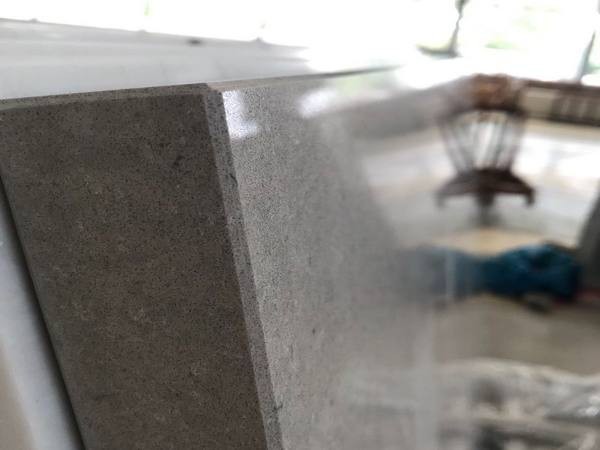
The market for quartz products has been booming in recent years. Homeowners and designers are increasingly drawn to the beauty and practicality of quartz countertops. Best White Quartz Countertops are especially popular due to their ability to brighten up a space and create a clean, modern look. Similarly, Grey Quartz Dining Table Top offers a unique aesthetic that combines sophistication with functionality.
Level 1 White Quartz, in particular, stands out for its high - quality appearance and performance. It has a consistent white color with minimal veining, making it a perfect choice for those who prefer a sleek and contemporary style. The demand for this material has led to an expansion of the trade, but it also brings about a series of ethical questions.
Ethical Concerns in the Mining Process
One of the primary ethical concerns in the trade of Level 1 White Quartz lies in the mining process. Quartz is typically mined from large deposits in the earth. Mining operations can have significant environmental impacts, such as deforestation, soil erosion, and water pollution. These activities can disrupt local ecosystems and displace wildlife.
In some regions, mining companies may not adhere to strict environmental regulations. They might use outdated mining techniques that cause unnecessary damage to the environment. For example, the use of heavy machinery and explosives can lead to the destruction of natural habitats. Additionally, the disposal of mining waste can contaminate nearby water sources, affecting the health of local communities and aquatic life.
Another aspect of the mining process that raises ethical concerns is the working conditions of the miners. In some areas, miners may be exposed to hazardous substances such as silica dust, which can cause serious respiratory diseases like silicosis. Moreover, long working hours, low wages, and lack of proper safety equipment are common issues in some mining operations. As a responsible supplier, it is crucial to ensure that the quartz we source comes from mines that prioritize environmental protection and the well - being of their workers.
Supply Chain Transparency
Supply chain transparency is another key ethical issue in the trade of Level 1 White Quartz. It is essential for consumers to know where the quartz they purchase comes from and how it was mined. However, the quartz supply chain can be complex, involving multiple intermediaries between the mine and the end - user. This complexity can make it difficult to trace the origin of the material and verify its ethical sourcing.
Some suppliers may not be forthcoming about the source of their quartz, which can lead to the potential inclusion of unethically mined material in the market. To address this issue, we need to establish a more transparent supply chain. This can be achieved through initiatives such as certification programs. For example, some organizations offer certifications for responsibly mined quartz, which provide assurance to consumers that the product meets certain ethical and environmental standards.
Social and Cultural Impacts
The trade of Level 1 White Quartz can also have social and cultural impacts on local communities. In areas where quartz mining is a major industry, the influx of mining activities can change the social fabric of the community. Traditional ways of life may be disrupted as people are displaced from their homes or forced to change their occupations.
Moreover, the economic benefits of the quartz trade may not be evenly distributed. In some cases, large mining companies may reap the majority of the profits, while local communities receive only a small share. This can lead to social inequality and resentment among the local population. As suppliers, we should strive to support local communities by promoting sustainable development projects and ensuring that the economic benefits of the trade are shared more equitably.
Our Commitment as a Supplier
As a supplier of Level 1 White Quartz, we are committed to addressing these ethical concerns. We work closely with our mining partners to ensure that they follow strict environmental and social standards. We only source quartz from mines that have proper environmental management plans in place and provide safe working conditions for their employees.
We also support initiatives to improve supply chain transparency. We are actively involved in certification programs that verify the ethical sourcing of our quartz. By doing so, we can provide our customers with the confidence that the Level 1 White Quartz they purchase is responsibly sourced.
In addition, we believe in giving back to the local communities where our quartz is mined. We support projects such as education, healthcare, and infrastructure development to help improve the quality of life of the local population. By taking these steps, we hope to contribute to a more sustainable and ethical trade of Level 1 White Quartz.
Conclusion and Call to Action
In conclusion, while the trade of Level 1 White Quartz offers many opportunities, it also comes with a set of ethical concerns. These concerns range from environmental impacts and working conditions in the mining process to supply chain transparency and social - cultural impacts on local communities.
As a supplier, we have a responsibility to address these issues and ensure that the trade is conducted in an ethical and sustainable manner. We encourage our customers to be more aware of these ethical concerns and to choose products that are responsibly sourced.
If you are interested in purchasing Level 1 White Quartz for your next project, we invite you to contact us for more information. We are happy to discuss our sourcing practices and how we are working to make the trade more ethical. Let's work together to create a more sustainable future for the quartz trade.
References
- "Environmental Impacts of Mining Activities." Journal of Environmental Science and Management.
- "Social and Economic Impacts of Mineral Extraction on Local Communities." International Journal of Sustainable Development.
- "Supply Chain Transparency in the Quartz Industry." Report by a leading industry research firm.