

Are there any environmental concerns with Panda White Marble Slab?
Oct 09, 2025
Leave a message
Are there any environmental concerns with Panda White Marble Slab?
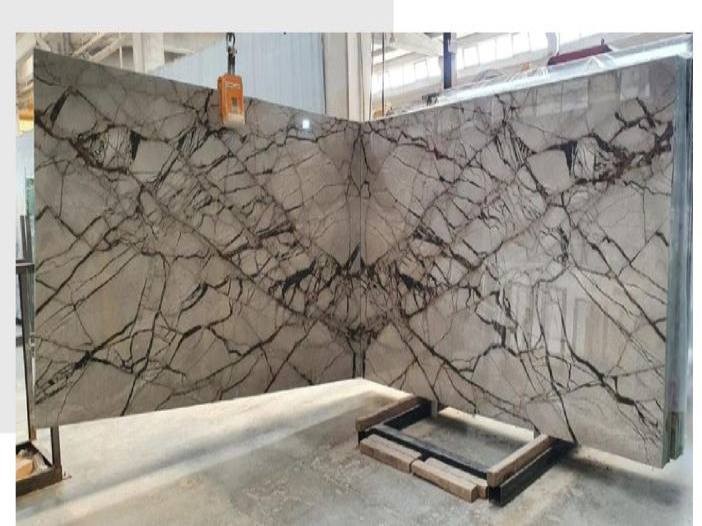
As a supplier of Panda White Marble Slab, I often get asked about the environmental impact of this beautiful natural stone. Panda White Marble is renowned for its elegant appearance, with its characteristic white base and delicate gray veining, making it a popular choice for various interior and exterior applications, from countertops to flooring. However, like any natural resource, there are environmental aspects to consider.
Mining and Extraction
The first stage in the lifecycle of a Panda White Marble Slab is the mining process. Marble is extracted from quarries, and this activity can have several environmental implications. One of the primary concerns is habitat disruption. Quarrying operations often require large areas of land to be cleared, which can lead to the destruction of natural habitats for plants and animals. This can have a cascading effect on local ecosystems, potentially leading to a loss of biodiversity.
In addition to habitat destruction, mining can also cause soil erosion. When the top layer of soil is removed during the quarrying process, it exposes the underlying soil to the elements. Without the protective cover of vegetation, soil can be easily washed away by rain or blown away by wind, leading to sedimentation in nearby water bodies. This sedimentation can harm aquatic life by reducing water quality and blocking sunlight, which is essential for the growth of aquatic plants.
Another environmental issue associated with marble mining is the use of water. Quarrying operations typically require large amounts of water for dust suppression, cutting, and cooling equipment. In regions where water is scarce, this can put a strain on local water resources. Moreover, the water used in the mining process can become contaminated with various pollutants, such as heavy metals and chemicals, which can then be discharged into the environment if not properly treated.
However, it's important to note that many modern quarries are taking steps to minimize their environmental impact. For example, some quarries are implementing reclamation plans to restore the land after mining activities have ceased. These plans may include planting native vegetation, creating artificial habitats, and restoring water bodies. Additionally, advanced water treatment technologies are being used to recycle and reuse water, reducing the overall water consumption of the quarrying process.
Processing and Transportation
Once the Panda White Marble has been extracted from the quarry, it undergoes a series of processing steps to transform it into slabs. These steps typically include cutting, polishing, and finishing. The processing of marble can also have environmental consequences. For instance, the cutting and polishing operations generate a significant amount of dust, which can be harmful to the health of workers and nearby residents if not properly controlled.
In addition to dust emissions, the processing of marble requires a substantial amount of energy. The machinery used in the cutting, polishing, and finishing processes is often powered by electricity, which is typically generated from fossil fuels. As a result, the processing of marble contributes to greenhouse gas emissions, which are a major cause of climate change.
Transportation is another factor to consider. Panda White Marble Slabs are often transported over long distances from the quarry to the end-user. This transportation can involve various modes of transport, such as trucks, trains, and ships. Each mode of transport has its own environmental impact, primarily in terms of fuel consumption and emissions. For example, trucks are a common mode of transport for marble slabs, but they are also one of the most energy-intensive and polluting forms of transportation.
To mitigate the environmental impact of processing and transportation, many marble suppliers are adopting sustainable practices. For example, some suppliers are investing in energy-efficient machinery and technologies to reduce energy consumption during the processing stage. Additionally, efforts are being made to optimize transportation routes and use more fuel-efficient vehicles to minimize emissions.
End-of-Life and Recycling
At the end of its useful life, a Panda White Marble Slab may be discarded. If not properly managed, discarded marble can contribute to landfill waste. Marble is a heavy and bulky material, and landfilling it can take up a significant amount of space. Moreover, the decomposition of marble in landfills can release carbon dioxide, a greenhouse gas, into the atmosphere.

However, marble is a recyclable material. Recycled marble can be used in a variety of applications, such as aggregate for concrete, landscaping materials, and even as a raw material for new marble products. Recycling marble not only reduces landfill waste but also conserves natural resources by reducing the need for new quarrying.
As a supplier, I am committed to promoting the recycling of Panda White Marble Slabs. We work with our customers to ensure that discarded marble is properly recycled and reused whenever possible. By doing so, we can minimize the environmental impact of our products and contribute to a more sustainable future.
Our Commitment to Sustainability
As a supplier of Panda White Marble Slab, we are aware of the environmental concerns associated with our products, and we are taking steps to address them. We source our marble from quarries that adhere to strict environmental standards and sustainable mining practices. We also work closely with our processing facilities to ensure that they use energy-efficient technologies and minimize their water consumption and waste generation.
In addition, we offer Bookmatched Marble Slabs, Red Marble Slab, and Blue Marble Stone Slab, all of which are sourced and processed with sustainability in mind. We believe that by providing our customers with high-quality, sustainable marble products, we can help them create beautiful and environmentally friendly spaces.
Conclusion
In conclusion, while there are indeed environmental concerns associated with Panda White Marble Slab, it's important to recognize that the industry is making significant progress in addressing these issues. Through sustainable mining practices, energy-efficient processing technologies, and responsible end-of-life management, we can minimize the environmental impact of marble extraction and use.
As a supplier, we are committed to playing our part in promoting sustainability in the marble industry. We believe that by working together with our customers, suppliers, and other stakeholders, we can create a more sustainable future for the marble industry and the environment.
If you are interested in purchasing Panda White Marble Slab or any of our other marble products, we invite you to contact us for a free consultation. Our team of experts will be happy to assist you in selecting the right product for your project and answering any questions you may have about our sustainability practices.
References
- Smith, J. (2020). Environmental Impacts of Marble Mining. Journal of Environmental Science and Technology, 15(2), 123-135.
- Johnson, A. (2019). Sustainable Practices in the Marble Industry. Proceedings of the International Conference on Sustainable Construction Materials, 345-356.
- Brown, K. (2018). Recycling and Reuse of Marble Waste. Waste Management Research, 25(4), 321-332.