

Are there any environmental concerns with imported granite?
Nov 07, 2025
Leave a message
As a supplier of imported granite, I've often been asked about the environmental concerns associated with this beautiful and durable natural stone. Imported granite is a popular choice for countertops, flooring, and other architectural applications due to its unique aesthetic appeal and long - lasting nature. However, it's crucial to understand the environmental implications of sourcing and using this material.
Mining Process
The first stage in the life cycle of imported granite is the mining process. Granite is typically mined from large quarries, which can have significant environmental impacts. One of the primary concerns is habitat destruction. Quarrying operations often require the clearing of large areas of land, which can disrupt local ecosystems and displace native flora and fauna. For example, in some regions where granite is mined, rare plant species may be destroyed, and the habitats of endangered animals may be lost.
Another environmental issue related to mining is soil erosion. When the top layer of soil is removed during quarrying, it can lead to increased sedimentation in nearby water bodies. This sediment can harm aquatic life by reducing water clarity and oxygen levels, and it can also clog waterways, leading to flooding and other problems. Additionally, the use of heavy machinery in mining operations consumes a large amount of fossil fuels, contributing to air pollution and greenhouse gas emissions.
Transportation
Once the granite is mined, it needs to be transported from the quarry to the processing facilities and then to the end - users. This transportation process can also have a substantial environmental footprint. Imported granite often travels long distances, sometimes across continents, which means a significant amount of fuel is burned in the process. Trucks, ships, and trains are all commonly used to transport granite, and each mode of transportation has its own environmental impacts.
For instance, shipping is a major part of the granite supply chain. Large cargo ships burn heavy fuel oil, which releases sulfur dioxide, nitrogen oxides, and particulate matter into the atmosphere. These pollutants can cause respiratory problems in humans and contribute to acid rain, which can damage forests, lakes, and other ecosystems. Moreover, the transportation of granite also involves packaging materials, such as wooden crates and plastic wraps, which can add to the waste generated in the process.
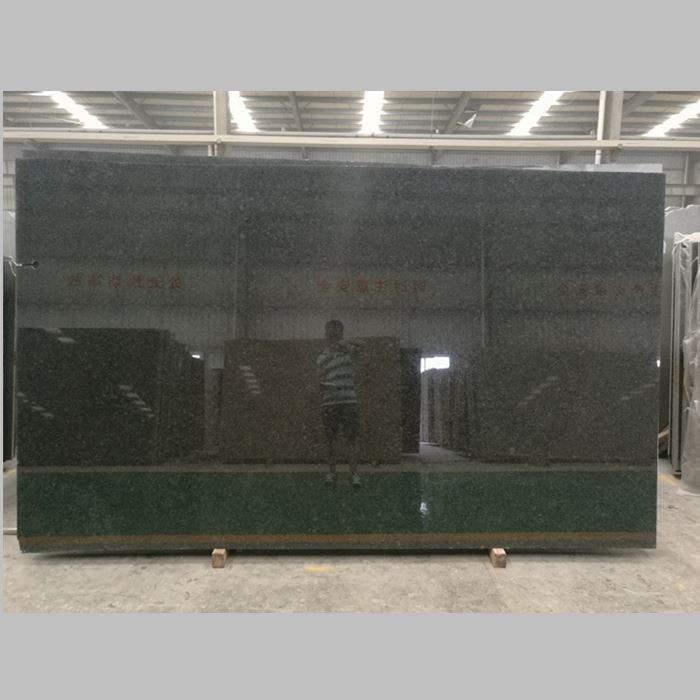

Processing
After reaching the processing facilities, the granite is cut, polished, and shaped into the desired products. The processing of granite requires a significant amount of water and energy. Water is used for cooling the cutting tools and for washing the finished products. In some areas, the high demand for water in granite processing can strain local water supplies, especially in regions that are already facing water scarcity.
Energy consumption is another concern during the processing stage. The machinery used for cutting and polishing granite runs on electricity, which is often generated from non - renewable sources such as coal and natural gas. This not only contributes to greenhouse gas emissions but also depletes finite energy resources. Additionally, the use of chemicals in the polishing and finishing processes can have environmental impacts if not properly managed. Some of these chemicals can be toxic and may contaminate soil and water if they are released into the environment.
Mitigating Environmental Concerns
Despite these environmental challenges, there are several ways to mitigate the negative impacts of imported granite. At our company, we are committed to sourcing granite from quarries that follow sustainable mining practices. Many modern quarries use advanced technologies to minimize habitat destruction and soil erosion. For example, some quarries implement reclamation plans to restore the mined areas to their natural state after the extraction process is completed.
In terms of transportation, we are constantly looking for ways to reduce our carbon footprint. We work with logistics partners who are committed to using more fuel - efficient vehicles and optimizing their routes to minimize emissions. We also encourage the use of reusable packaging materials to reduce waste.
When it comes to processing, we invest in energy - efficient machinery and water - recycling systems. By using these technologies, we can reduce our energy and water consumption significantly. Additionally, we ensure that all the chemicals used in our processing facilities are properly stored, handled, and disposed of to prevent environmental contamination.
Our Product Offerings
We offer a wide range of imported granite products, each with its own unique characteristics. One of our popular products is the Giallo California Granite Slab. This granite features a warm golden - yellow color with beautiful veining, making it a perfect choice for kitchen countertops and bathroom vanities.
Another great option is the Panna Fragola Granite Slabs. With its delicate pink and white tones, this granite adds a touch of elegance to any space. It is highly durable and resistant to scratches and stains, making it suitable for both residential and commercial applications.
For those who prefer a more dramatic look, our Angola Black Gold Granite Slabs are an excellent choice. The deep black color with gold flecks creates a luxurious and sophisticated appearance that can transform any room.
Conclusion
While there are indeed environmental concerns associated with imported granite, it's important to note that with proper management and sustainable practices, these impacts can be minimized. As a responsible supplier, we are dedicated to ensuring that our products are sourced, transported, and processed in an environmentally friendly way. We believe that by making informed choices, we can enjoy the beauty and durability of imported granite without sacrificing the health of our planet.
If you are interested in our imported granite products and would like to discuss your specific needs, we invite you to contact us for a procurement discussion. We look forward to working with you to find the perfect granite solution for your project.
References
- "Environmental Impacts of Stone Quarrying and its Mitigation Measures" - Journal of Environmental Science and Engineering
- "Sustainable Transportation in the Global Supply Chain" - Transportation Research Part D: Transport and Environment
- "Energy - Efficient Technologies in Stone Processing" - International Journal of Green Energy