

Are quartz slabs slippery when wet?
Jan 21, 2026
Leave a message
When it comes to choosing the right materials for various applications, especially in areas prone to getting wet, safety is a top concern. One such material that often comes under scrutiny for its safety in wet conditions is quartz slabs. As a supplier of high - quality quartz slabs, I've encountered numerous inquiries regarding the slipperiness of these slabs when wet. In this blog, I'll delve into the science behind the friction of quartz slabs in wet environments, draw on relevant research, and provide practical insights for those considering using quartz slabs in such areas.
Understanding Friction and Slip Resistance
To understand whether quartz slabs are slippery when wet, we first need to understand the concept of friction. Friction is the force that resists the relative motion of two surfaces in contact. Slip resistance is a measure of how well a surface resists the tendency of an object (such as a person's foot) to slide across it. The higher the friction coefficient between a surface and the object, the better the slip resistance.
In wet conditions, the presence of water can act as a lubricant between the two surfaces, reducing the friction coefficient and increasing the risk of slipping. This is a common problem with many types of flooring materials, and quartz slabs are no exception. However, the degree of slipperiness can vary depending on several factors.
Factors Affecting the Slip Resistance of Quartz Slabs
Surface Finish
The surface finish of a quartz slab plays a crucial role in its slip resistance. Quartz slabs can be finished in various ways, including polished, honed, and textured. A polished finish gives the slab a shiny, smooth appearance, but it also tends to be more slippery when wet because there are fewer surface irregularities to provide friction. On the other hand, a honed finish is less shiny and has a slightly rougher texture, which can increase the friction and improve slip resistance. Textured finishes, such as those with a matte or anti - slip texture, are specifically designed to enhance grip, making them a better choice for wet areas.
Porosity
Quartz is a non - porous material, which means it does not absorb water easily. This is an advantage in wet conditions because water is less likely to seep into the slab and cause damage or change its surface properties. However, if water accumulates on the surface of the slab, it can still create a slippery situation. Proper drainage and maintenance are essential to prevent water from pooling on the surface.

Contaminants
The presence of contaminants on the surface of the quartz slab can also affect its slip resistance. For example, soap, oil, or dirt can reduce the friction between the slab and a person's foot, making it more slippery. Regular cleaning and maintenance can help remove these contaminants and maintain the slip resistance of the slab.
Research on the Slip Resistance of Quartz Slabs
Several studies have been conducted to evaluate the slip resistance of different flooring materials, including quartz slabs. These studies typically measure the coefficient of friction (COF) of the materials in both dry and wet conditions. A COF value of 0.5 or higher is generally considered safe for most applications.
Some research has shown that the COF of quartz slabs can vary depending on the surface finish. Polished quartz slabs may have a COF as low as 0.3 in wet conditions, which is relatively slippery. However, honed or textured quartz slabs can have a COF of 0.5 or higher, providing a safer surface for walking.
Applications of Quartz Slabs in Wet Areas
Despite the potential for slipperiness, quartz slabs are still a popular choice for many wet areas due to their durability, aesthetic appeal, and low maintenance requirements. Here are some common applications:
Bathroom Floors and Walls
Quartz slabs can be used to create beautiful and functional bathroom floors and walls. By choosing a honed or textured finish, you can ensure a safer surface while still enjoying the elegance of quartz. The non - porous nature of quartz also makes it resistant to mold and mildew, which is important in a moist environment like a bathroom.
Quartz Slabs Pool Decks
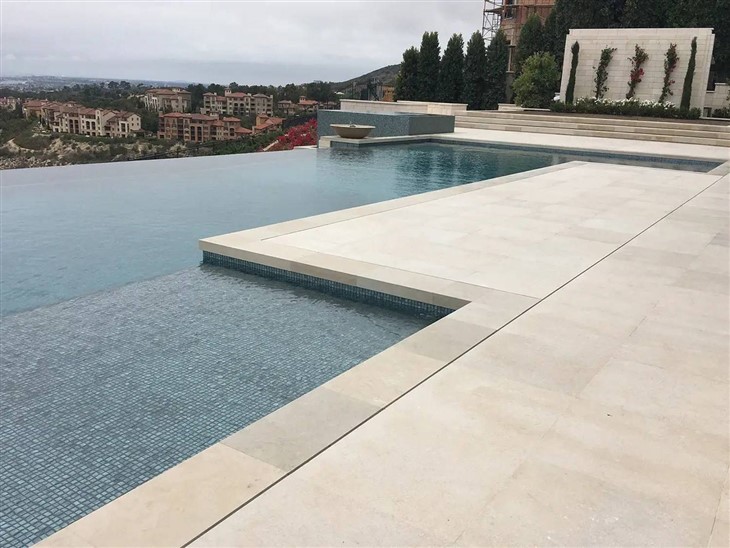
Pool decks are constantly exposed to water, so slip resistance is of utmost importance. Quartz slabs with an anti - slip texture can provide a safe and stylish surface around the pool. They are also resistant to the chemicals used in pool maintenance, making them a long - lasting choice.
Kitchen Countertops
While kitchen countertops are not typically considered wet areas in the same sense as bathrooms or pool decks, they can still get wet from spills and cleaning. Quartz slabs are a popular choice for kitchen countertops because they are stain - resistant and easy to clean. A honed finish can provide a good balance between aesthetics and slip resistance.
Choosing the Right Quartz Slab for Wet Areas
If you're considering using quartz slabs in a wet area, here are some tips to help you choose the right one:
Select the Right Finish
As mentioned earlier, a honed or textured finish is generally a better choice for wet areas. Look for slabs with an anti - slip rating or a high COF value.
Consider the Color
Quartz slabs come in a wide range of colors, including Pure White Quartz Slab and Gray Quartz Slab. While color may not directly affect slip resistance, it can impact the visibility of water and contaminants on the surface. Darker colors may hide spills and dirt better, but they can also make it harder to see if the surface is wet.
Check the Quality
Make sure you purchase quartz slabs from a reputable supplier. High - quality slabs are more likely to have consistent properties and better slip resistance.
Maintenance Tips for Quartz Slabs in Wet Areas
Proper maintenance is essential to ensure the long - term slip resistance and durability of quartz slabs in wet areas. Here are some maintenance tips:
Regular Cleaning
Clean the quartz slabs regularly with a mild detergent and water. Avoid using abrasive cleaners or tools that can scratch the surface.
Remove Water and Contaminants
Wipe up spills and standing water immediately to prevent them from pooling on the surface. Use a dry mop or towel to dry the surface after cleaning.
Inspect for Damage
Regularly inspect the quartz slabs for any signs of damage, such as cracks or chips. Damaged areas can be more slippery and may need to be repaired or replaced.
Conclusion
In conclusion, whether quartz slabs are slippery when wet depends on several factors, including the surface finish, porosity, and the presence of contaminants. While polished quartz slabs can be slippery in wet conditions, honed or textured slabs can provide a safer surface. With proper selection, installation, and maintenance, quartz slabs can be a great choice for wet areas such as bathrooms, pool decks, and kitchens.
If you're interested in purchasing high - quality quartz slabs for your project, I invite you to contact me for more information and to discuss your specific needs. We can work together to find the perfect quartz slabs that meet your requirements in terms of aesthetics, safety, and durability.
References
- ASTM International. (2019). Standard Test Method for Using a Variable Incidence Tribometer to Measure Dynamic Coefficient of Friction of Hard, Non - Carpeted Flooring Surfaces. ASTM F2508 - 19.
- CEN. (2018). European Standard EN 13893:2018. Determination of Slip Resistance of Flooring.