

Are quartz countertops slippery when wet?
Jul 11, 2025
Leave a message
Are quartz countertops slippery when wet? That's a question I get asked a lot as a quartz countertops supplier. And it's a valid one, especially when you're thinking about using quartz in areas where water might be present, like kitchens or bathrooms.
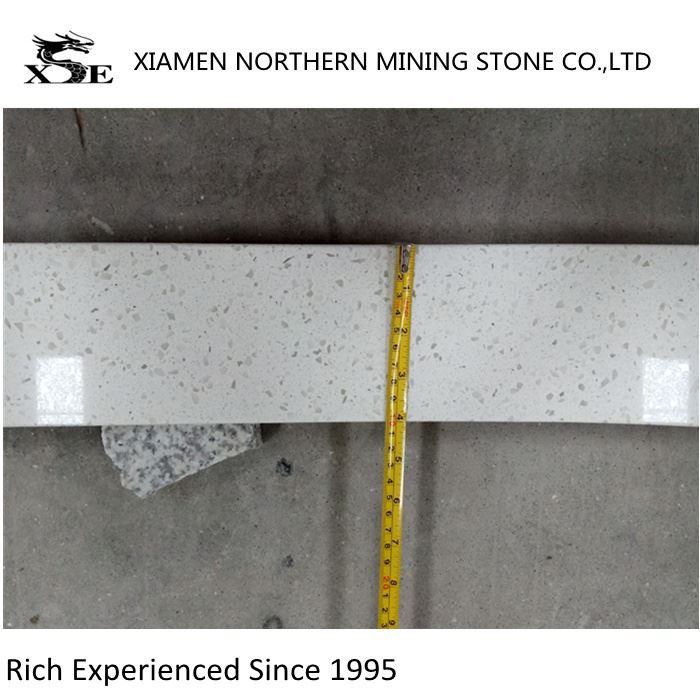
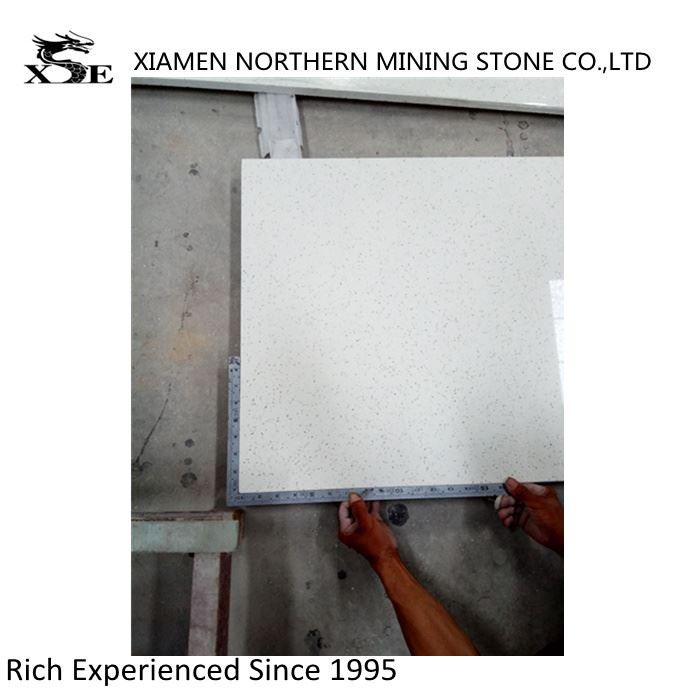
Let's start by understanding what quartz countertops are. Quartz countertops are made from engineered quartz, which is a combination of natural quartz crystals and resins. This mixture is then compressed and heated to create a hard, durable surface. Quartz is known for its strength, resistance to scratches and stains, and its beautiful appearance. There are a variety of options available, such as Grey Quartz Countertops, White Sparkle Quartz Kitchen Worktop, and Best White Quartz Countertops.
Now, back to the question at hand: are they slippery when wet? The short answer is, it depends. In general, quartz countertops are not overly slippery when wet. The surface texture of most quartz countertops is designed to provide a good amount of traction. The manufacturing process can create a slightly rough or textured finish that helps to reduce the risk of slipping.
However, there are a few factors that can affect the slipperiness of quartz countertops when wet. One of the main factors is the finish of the countertop. A polished finish, which gives the countertop a shiny, smooth appearance, can be a bit more slippery when wet compared to a honed or textured finish. A honed finish has a matte look and a slightly rougher surface, which provides better grip. Textured finishes, like leathered or brushed finishes, are even better at reducing slipperiness because they have a more pronounced surface texture.
Another factor is the presence of contaminants on the surface. If there are soap, grease, or other substances on the countertop along with the water, it can increase the slipperiness. For example, in a kitchen, if you spill some oil on the countertop and then add water, it can create a very slippery situation. So, it's important to keep the countertops clean and free from such contaminants.
In a bathroom, where soap scum can build up over time, regular cleaning is crucial to maintain the traction of the countertop. Using a mild, non - abrasive cleaner and a soft cloth to wipe down the countertop can help prevent the build - up of substances that could make it slippery.
The amount of water also plays a role. A small amount of water might not cause much of an issue, but if there's a large pool of water on the countertop, it can increase the risk of slipping. For instance, if you accidentally leave a faucet running and the countertop gets flooded, it's going to be more slippery than if there's just a few drops of water.
Let's talk about the safety aspect in different settings. In a kitchen, quartz countertops are often used as a work surface. You might have water splashing from the sink, or you might be washing dishes and getting the countertop wet. Since you're usually standing close to the countertop and using it for food preparation, a little bit of slipperiness might not be a huge concern as long as you're being careful. But in areas where you might be walking around, like in front of the sink, it's still important to have a countertop that doesn't pose a slipping hazard.
In a bathroom, people often move around more freely and might not be paying as much attention to the wetness of the countertop. They could accidentally lean on it or brush against it while it's wet. So, having a non - slippery countertop is even more important in this setting.
If you're worried about slipperiness, there are some additional steps you can take. You can choose a countertop with a high - traction finish right from the start. As I mentioned earlier, honed, leathered, or brushed finishes are great options. You can also use anti - slip mats or strips on the countertop, especially in areas where water is likely to accumulate. These can provide an extra layer of safety.
Now, let's look at some real - life experiences. I've had customers who were initially worried about the slipperiness of quartz countertops in their bathrooms. But after choosing a honed finish and keeping up with regular cleaning, they've reported that they haven't had any issues. They were able to use the countertops safely without any slipping incidents.
On the other hand, some customers who opted for a highly polished finish in their kitchens and didn't clean regularly did notice a bit of slipperiness when the countertop was wet. They learned the importance of proper maintenance and the right finish selection.
In conclusion, while quartz countertops are generally not extremely slippery when wet, it's important to consider the finish, keep the surface clean, and be aware of the amount of water on the countertop. By taking these factors into account, you can ensure that your quartz countertops are both beautiful and safe to use.
If you're in the market for quartz countertops and have concerns about slipperiness or any other aspect, don't hesitate to reach out. We can help you choose the right finish and provide you with all the information you need to make an informed decision. Whether you're interested in Grey Quartz Countertops, White Sparkle Quartz Kitchen Worktop, or Best White Quartz Countertops, we're here to assist you. Contact us to start a conversation about your countertop needs and let's find the perfect quartz solution for you.
References:
- General knowledge from the quartz countertop industry
- Customer feedback and experiences