

Are quartz countertops more hygienic than other countertop materials?
Jun 27, 2025
Leave a message
In the realm of kitchen and bathroom design, the choice of countertop material is a decision that significantly impacts both aesthetics and functionality. Among the various options available, quartz countertops have emerged as a popular choice, often touted for their hygienic properties. As a supplier of high - quality quartz countertops, I am frequently asked whether quartz countertops are truly more hygienic than other countertop materials. In this blog, we will delve into the scientific aspects of this question, comparing quartz with other common countertop materials to provide a comprehensive answer.
Understanding Quartz Countertops
Quartz countertops are engineered using a combination of natural quartz crystals, resins, and pigments. Quartz is one of the hardest minerals on Earth, which gives these countertops their durability. The manufacturing process involves compressing these materials under high pressure and heat, resulting in a non - porous surface.
This non - porous nature is a key factor in the hygiene of quartz countertops. Unlike porous materials, which can absorb liquids, bacteria, and stains, quartz countertops do not allow substances to penetrate their surface. This means that spills, whether they are from food, drinks, or cleaning agents, simply sit on top of the countertop, making them easy to clean.
Comparing with Porous Countertop Materials
Granite
Granite is a natural stone that has long been a favorite in kitchen design. While it is known for its beauty and durability, granite is a porous material. Microscopic pores on the surface of granite can trap bacteria, mold, and food particles. Even with regular sealing, which is necessary to reduce porosity, there is still a risk of contamination.
For example, if you spill a sugary drink on a granite countertop, some of the liquid may seep into the pores. Over time, this can become a breeding ground for bacteria. In contrast, a spill on a White Sparkle Quartz Countertop would be easily wiped away, preventing any such buildup.
Marble
Marble is another popular natural stone used for countertops. It is revered for its elegant appearance but is highly porous and sensitive to acids. Acidic substances like lemon juice or vinegar can etch the surface of marble, creating rough areas where bacteria can accumulate.
Cleaning marble requires special care, and even with proper maintenance, it may not be as hygienic as quartz. The non - porous surface of quartz countertops eliminates the risk of etching and makes them more resistant to the growth of harmful microorganisms.
Comparing with Non - Porous Countertop Materials
Laminate
Laminate countertops are affordable and come in a wide range of colors and patterns. They have a non - porous surface, which makes them relatively easy to clean. However, laminate is prone to scratches and chips. Once the surface is damaged, bacteria can get trapped in the crevices, compromising hygiene.
Quartz countertops, on the other hand, are highly resistant to scratches and chips. Their strong surface structure ensures that even with daily use, the integrity of the non - porous surface is maintained, providing long - term hygienic benefits.
Solid Surface
Solid surface countertops, such as Corian, are also non - porous and offer good hygiene. They can be seamlessly joined, reducing the number of seams where bacteria can accumulate. However, solid surface materials are softer than quartz and can be more easily damaged by heat and sharp objects.
When damaged, solid surface countertops may require professional repair. Quartz countertops can withstand normal kitchen activities without significant damage, making them a more reliable choice for maintaining a hygienic environment.
Scientific Evidence of Hygiene
Several scientific studies have shown that non - porous surfaces are more hygienic than porous ones. A study published in the Journal of Food Protection found that non - porous materials like quartz had significantly lower bacterial counts compared to porous materials after being exposed to common foodborne pathogens.
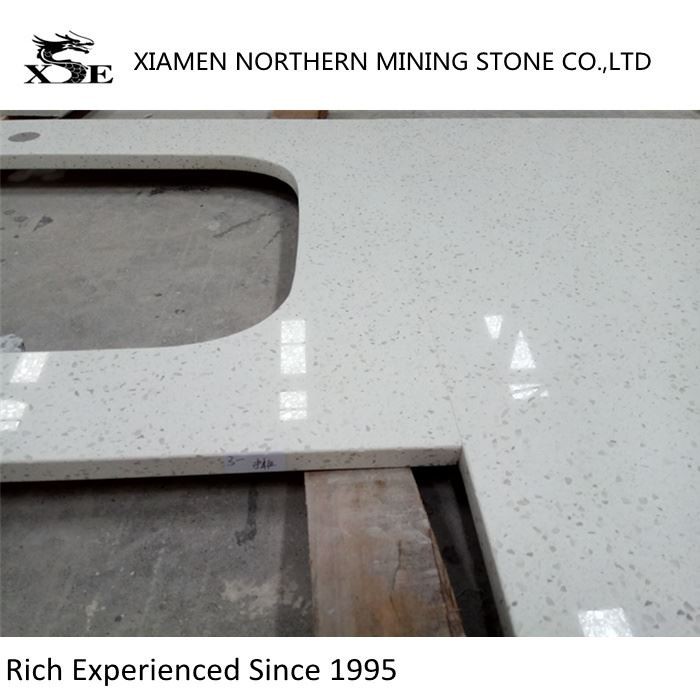
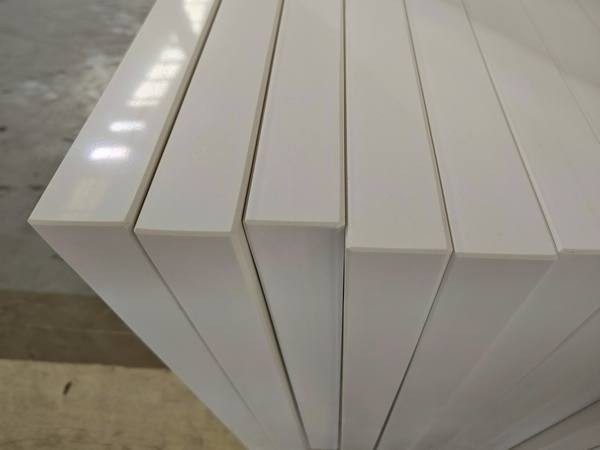
The smooth and non - porous surface of quartz countertops does not provide a suitable environment for bacteria to adhere and grow. In addition, cleaning quartz countertops is straightforward. A simple wipe with a mild detergent and water is usually sufficient to remove dirt, stains, and bacteria.
Maintenance for Hygiene
To maintain the hygienic properties of quartz countertops, regular cleaning is essential. Avoid using abrasive cleaners or scrubbers, as they can scratch the surface. Instead, use a soft cloth or sponge and a gentle cleaning solution.
For tougher stains, a mixture of baking soda and water can be used as a natural and effective cleaner. After cleaning, it is important to dry the countertop thoroughly to prevent water spots and the growth of mold.
Aesthetic and Hygienic Benefits
Beyond hygiene, quartz countertops offer a wide range of aesthetic benefits. They come in a variety of colors and patterns, including Bianc Carrara Quartz Countertops that mimic the look of natural marble. This allows you to achieve the desired style for your kitchen or bathroom while maintaining a high level of hygiene.
Conclusion
In conclusion, quartz countertops are indeed more hygienic than many other countertop materials. Their non - porous surface, resistance to scratches and chips, and ease of cleaning make them an ideal choice for areas where hygiene is a priority, such as kitchens and bathrooms.
If you are in the market for a new countertop and value hygiene, consider our range of Best White Quartz Countertops. Our quartz countertops are not only hygienic but also durable and beautiful, adding value to your home.
Whether you are a homeowner looking to renovate your kitchen or a contractor working on a project, we are here to assist you. Contact us to discuss your countertop needs, and let us help you find the perfect quartz countertop for your space.
References
- Journal of Food Protection. Study on the comparison of bacterial counts on porous and non - porous surfaces.
- Professional literature on countertop materials and their properties.