

Are pure white quartz slabs scratch - resistant?
May 20, 2025
Leave a message
As a supplier of pure white quartz slabs, I've often been asked the question: "Are pure white quartz slabs scratch-resistant?" This is a crucial concern for many customers, whether they're designing a modern kitchen or a luxurious bathroom. In this blog, I'll delve into the science behind the scratch resistance of pure white quartz slabs, share real-world experiences, and provide practical advice for maintaining their pristine appearance.
Understanding the Composition of Pure White Quartz Slabs
Pure white quartz slabs are engineered materials composed primarily of natural quartz crystals, which are one of the hardest minerals on Earth. In addition to quartz, these slabs contain a small percentage of resins and pigments that bind the quartz particles together and give the slabs their color. The high quartz content, typically around 90 - 94%, is what gives pure white quartz slabs their exceptional durability and scratch resistance.
Quartz has a Mohs hardness rating of 7, which means it's relatively hard and resistant to scratching compared to many other common materials. For reference, a diamond, the hardest known natural material, has a Mohs hardness of 10, while a fingernail has a hardness of about 2.5. This high hardness rating makes pure white quartz slabs a popular choice for countertops and other high-traffic surfaces where scratches are a concern.
Scientific Evidence of Scratch Resistance
Numerous scientific studies have been conducted to evaluate the scratch resistance of quartz slabs. These studies typically involve using standardized testing methods to simulate real-world scratching scenarios. For example, the Taber Abrasion Test is commonly used to measure the resistance of a material to abrasion and scratching. In this test, a rotating abrasive wheel is applied to the surface of the quartz slab under a specified load, and the amount of material removed is measured.
Results from these tests consistently show that pure white quartz slabs have excellent scratch resistance. They can withstand normal daily use, including the movement of pots, pans, and utensils, without showing significant signs of scratching. However, it's important to note that no material is completely scratch-proof, and extreme force or the use of sharp objects can still cause damage to the surface of the slab.
Real-World Experiences
In my experience as a supplier of pure white quartz slabs, I've received many positive feedback from customers regarding the scratch resistance of our products. Homeowners and designers alike have been impressed with how well the slabs hold up over time, even in busy kitchens and bathrooms.
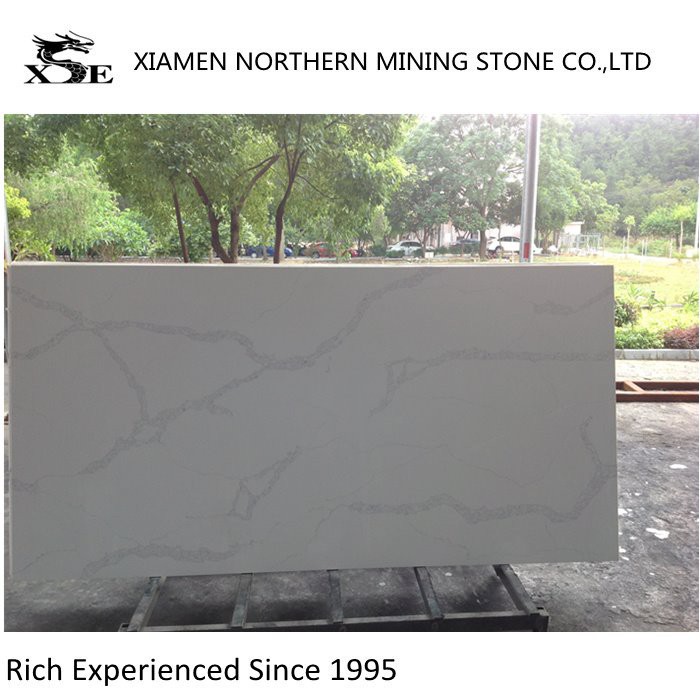
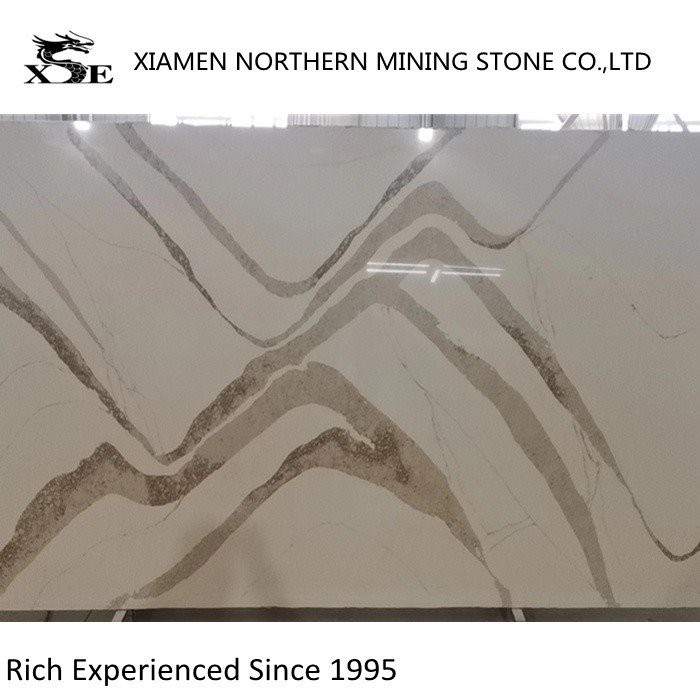
One customer, a chef who runs a high-end restaurant, installed our pure white quartz slabs in his kitchen countertops. He was initially skeptical about the scratch resistance, given the heavy use his kitchen would endure. However, after several months of operation, he reported that the slabs looked as good as new, with only minor surface wear that was barely noticeable.
Another customer, a homeowner who recently renovated her bathroom, chose our pure white quartz slabs for the vanity tops. She was delighted with the results, stating that the slabs not only added a touch of elegance to the space but also resisted scratches from her daily use of makeup brushes and other beauty tools.
Factors Affecting Scratch Resistance
While pure white quartz slabs are generally highly scratch-resistant, there are several factors that can affect their performance. These include:
- Quality of the slab: The quality of the quartz slab can vary depending on the manufacturing process and the quality of the raw materials used. Higher-quality slabs are typically more scratch-resistant than lower-quality ones.
- Surface finish: The surface finish of the quartz slab can also affect its scratch resistance. A polished finish is generally more resistant to scratching than a honed or textured finish, as the smooth surface is less likely to catch on sharp objects.
- Maintenance and care: Proper maintenance and care are essential for preserving the scratch resistance of pure white quartz slabs. Avoid using abrasive cleaners or scrubbers, as these can damage the surface of the slab. Instead, use a mild soap and water solution and a soft cloth to clean the surface regularly.
Practical Tips for Maintaining Scratch Resistance
To ensure that your pure white quartz slabs remain scratch-resistant for years to come, here are some practical tips:
- Use cutting boards: Always use cutting boards when preparing food on your quartz countertops to prevent scratches from knives and other sharp objects.
- Avoid dragging heavy objects: When moving heavy objects across the surface of the slab, use a soft cloth or padding to protect the surface from scratches.
- Clean up spills immediately: Spills can cause stains and damage to the surface of the slab if left untreated for too long. Clean up spills immediately using a mild soap and water solution.
- Use coasters: Use coasters under glasses and other hot or cold objects to prevent thermal shock and scratches.
Comparing Pure White Quartz Slabs to Other Materials
When it comes to scratch resistance, pure white quartz slabs compare favorably to other popular countertop materials. Here's a brief comparison:
- Granite: Granite is a natural stone that is also known for its durability. However, it has a lower Mohs hardness rating than quartz, typically around 6 - 6.5. This means that granite is more susceptible to scratching than pure white quartz slabs.
- Marble: Marble is a beautiful natural stone, but it is relatively soft and porous, with a Mohs hardness rating of about 3 - 4. Marble is easily scratched and etched by acidic substances, making it a less suitable choice for high-traffic areas.
- Laminate: Laminate countertops are a budget-friendly option, but they are not as durable as pure white quartz slabs. Laminate is prone to scratching and can easily delaminate over time.
Applications of Pure White Quartz Slabs
Pure white quartz slabs are versatile materials that can be used in a variety of applications, including:
- Kitchen countertops: The scratch resistance and durability of pure white quartz slabs make them an ideal choice for kitchen countertops. They can withstand the daily wear and tear of cooking and food preparation without showing signs of damage.
- Bathroom vanity tops: Pure white quartz slabs add a touch of elegance and sophistication to bathroom vanity tops. They are resistant to scratches and stains, making them easy to clean and maintain.
- Wall cladding: Quartz slabs can also be used as wall cladding to create a modern and stylish look. Their scratch resistance and durability make them suitable for high-traffic areas such as hallways and entryways.
Conclusion
In conclusion, pure white quartz slabs are highly scratch-resistant materials that offer excellent durability and performance. Their high quartz content and engineered composition make them a popular choice for a variety of applications, including kitchen countertops, bathroom vanity tops, and wall cladding. While no material is completely scratch-proof, following the practical tips outlined in this blog can help you maintain the scratch resistance of your pure white quartz slabs for years to come.
If you're interested in purchasing pure white quartz slabs for your next project, I invite you to explore our Calacatta Ultra Quartz Countertop and Calacatta Gold Quartz Slab options. We also offer a wide range of Quartz Slabs Bathroom Designs to inspire your creativity. Contact us today to discuss your specific requirements and to start the procurement process.
References
- ASTM International. (2018). Standard Test Method for Abrasion Resistance of Organic Coatings by the Taber Abraser. ASTM D4060 - 18.
- National Association of Home Builders. (2020). Countertop Materials: A Buyer's Guide.
- Stone World Magazine. (2019). The Science of Quartz Countertops.