

Are Calacatta Quartz Slabs eco - friendly?
Sep 16, 2025
Leave a message
Hey there! As a supplier of Calacatta Quartz Slabs, I often get asked whether these slabs are eco - friendly. It's a hot topic these days, and for good reason. We're all more conscious about the impact our choices have on the environment, and when it comes to construction and interior design materials, eco - friendliness is a major consideration. So, let's dig into this question and see what we find.
What are Calacatta Quartz Slabs?
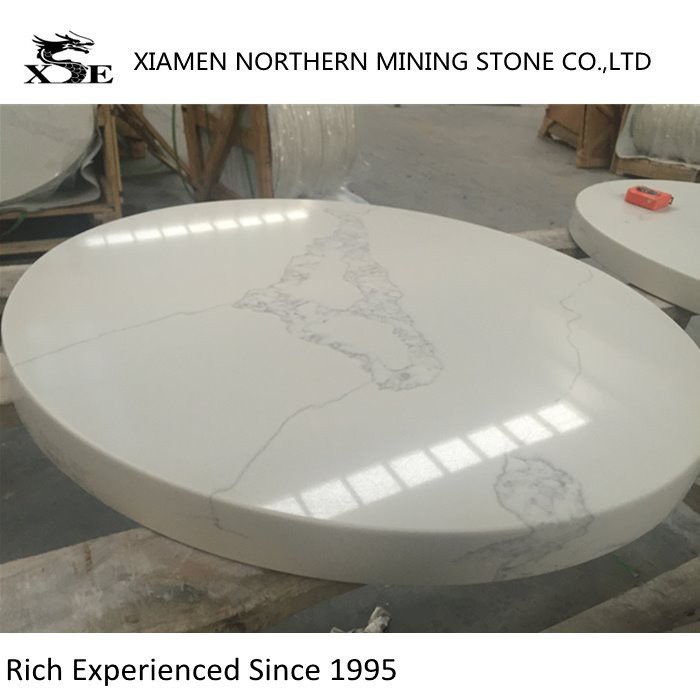
First off, let's quickly go over what Calacatta Quartz Slabs actually are. Calacatta quartz is an engineered stone. It's made by combining about 90 - 93% natural quartz crystals with resins, pigments, and other additives. The result is a material that looks a lot like natural Calacatta marble, with those beautiful, veiny patterns that everyone loves.
These slabs are popular for a bunch of reasons. They're super durable, resistant to scratches, stains, and heat. They're also non - porous, which means they don't harbor bacteria and are easy to clean. You can find them in a wide range of applications, from kitchen countertops to bathroom vanities. Check out White Calacatta Quartz Countertops for some great examples of how they can be used in kitchens.
The Eco - Friendly Aspects of Calacatta Quartz Slabs
Natural Quartz Usage
One of the big selling points when it comes to the eco - friendliness of Calacatta Quartz Slabs is the use of natural quartz. Quartz is an abundant mineral found in the Earth's crust. Since it's so plentiful, using it in the production of these slabs doesn't put a huge strain on the environment. Mining quartz is generally less environmentally disruptive compared to some other materials. It doesn't require large - scale deforestation or the destruction of unique ecosystems.
Longevity and Durability
Calacatta Quartz Slabs are built to last. They can withstand the wear and tear of daily use for decades. This means that once you install them, you're not likely to need to replace them anytime soon. In contrast, some other materials might need to be replaced more frequently due to damage or wear. By having a long lifespan, these slabs reduce the overall demand for new construction materials over time, which is great for the environment. You won't have to keep buying new countertops or vanities, which in turn reduces the energy and resources used in the manufacturing and transportation of those new products.
Low Maintenance
Another eco - friendly aspect is the low maintenance requirements of Calacatta Quartz Slabs. You don't need to use harsh chemicals to clean them. A simple mixture of soap and water is usually enough to keep them looking great. This is a far cry from some natural stones that might require special sealants and cleaners that can be harmful to the environment. By using fewer chemicals for maintenance, you're reducing the amount of pollutants that end up in the water supply and the air.
The Not - So - Eco - Friendly Aspects
Manufacturing Process
The production of Calacatta Quartz Slabs isn't without its environmental drawbacks. The manufacturing process involves using resins and other additives to bind the quartz crystals together. These resins are often derived from petrochemicals, which are non - renewable resources. Extracting and processing petrochemicals can have a significant environmental impact, including greenhouse gas emissions and water pollution.
Energy Consumption
Making these slabs also requires a fair amount of energy. The processes involved in crushing the quartz, mixing it with the resins, and then forming and curing the slabs all need energy. Most of this energy comes from non - renewable sources like coal and natural gas. High energy consumption means more greenhouse gas emissions, which contribute to climate change.
Comparing with Other Materials
Natural Marble
When compared to natural Calacatta marble, Calacatta Quartz Slabs have some eco - friendly advantages. Mining natural marble can be extremely destructive to the environment. It often involves large - scale quarrying operations that can cause soil erosion, deforestation, and habitat destruction. Plus, natural marble is a porous material, which means it needs to be sealed regularly with chemicals. On the other hand, as we've seen, Calacatta Quartz Slabs are non - porous and require less maintenance. However, natural marble is a natural, renewable resource in the long run, while the resins in quartz slabs come from non - renewable petrochemicals.
Laminate Countertops
Laminate countertops are another option. They're generally cheaper and easier to install. However, they're not as durable as Calacatta Quartz Slabs. Laminates can scratch and peel easily, which means they need to be replaced more often. This increases the overall demand for new materials and the associated environmental impact. Also, the production of laminates can involve the use of toxic chemicals, which can be harmful to both the environment and human health.

What Can We Do to Make Calacatta Quartz Slabs More Eco - Friendly?
Using Renewable Resins
One way to improve the eco - friendliness of these slabs is to use renewable resins. Some manufacturers are already exploring the use of bio - based resins made from plant sources. These resins can reduce the reliance on petrochemicals and lower the carbon footprint of the manufacturing process.
Energy - Efficient Manufacturing
Manufacturers can also invest in more energy - efficient production methods. This could involve using renewable energy sources like solar or wind power in their factories. By reducing the amount of non - renewable energy used in production, they can significantly cut down on greenhouse gas emissions.
Conclusion
So, are Calacatta Quartz Slabs eco - friendly? Well, it's a bit of a mixed bag. On one hand, they have some great eco - friendly features like the use of abundant natural quartz, long lifespan, and low maintenance. On the other hand, the manufacturing process has its environmental drawbacks, mainly due to the use of petrochemical - based resins and high energy consumption.
But overall, when compared to some other materials, they can be a relatively good choice for those looking to make more sustainable decisions in their construction and design projects. If you're interested in using Calacatta Quartz Slabs for your next project, take a look at Black Quartz Slabs and Quartz Slabs Bathroom Designs for more inspiration.
If you're thinking about purchasing Calacatta Quartz Slabs, I'd love to have a chat with you. We can discuss your specific needs, the different options available, and how we can work together to make your project a success. Whether you're a homeowner, a contractor, or a designer, we're here to help.
References
- "Quartz Countertops: A Buyer's Guide" by HomeAdvisor
- "The Environmental Impact of Building Materials" by the United Nations Environment Programme