

Why Limestone Remains a Timeless Material for Exterior Cladding
Nov 26, 2025
Leave a message
Exterior cladding sets the first impression of a building, and few materials have shaped architectural history as profoundly as limestone. From European cathedrals to modern commercial complexes, limestone continues to be chosen not because it is trendy, but because it has never gone out of style. Its durability, warm organic appearance, and versatile design possibilities give architects a material that performs as well as it looks.
1. A Material Proven by Centuries of Use
When people describe limestone as "timeless," they aren't exaggerating. Many of the world's most recognizable buildings-such as the Great Pyramids, the Empire State Building, and countless historical city centers across Europe-use limestone as a primary exterior facade. These structures have survived harsh weather, pollution, and time itself, proving that limestone is more than just visually appealing.
Modern builders still rely on limestone for the same reason: a long service life with minimal degradation. While some trendy facade materials fade or warp, limestone retains its integrity and only grows more character with age.
2. A Warm, Natural Aesthetic That Works With Any Style
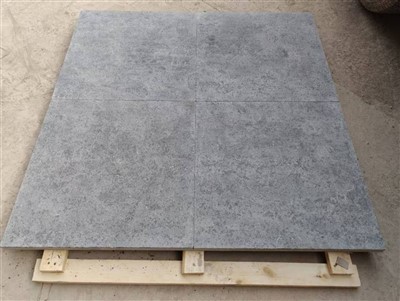
Limestone's beauty comes from its subtle textures and calm color palette. The variations-cream, beige, off-white, light grey, and even blue-grey-work easily with both traditional and contemporary designs. Its matte, soft surface creates a calm visual effect that many architects prefer over the reflective gloss of artificial materials.
For commercial buildings, limestone gives a sense of permanence and prestige. For residential projects, it delivers warmth and natural charm without feeling overly decorative. It strikes the balance that many façade materials struggle to achieve.
3. Excellent Weather Resistance for Exterior Use
Stone performance is a major concern for exterior cladding, and limestone offers a reliable combination of:
- Good compressive strength
- Balanced porosity for natural breathability
- High thermal mass, meaning better insulation and energy efficiency
- Resistance to freeze–thaw cycles, depending on the grade
Architects value limestone because it handles environmental stress without constant maintenance. Properly selected limestone can last for decades with simple cleaning and occasional sealing.


4. Versatility in Finishes and Sizes
Limestone responds well to different processing techniques, making it easy to adapt to a project's design intent. Popular finishes include:
- Honed
- Brushed
- Sandblasted
- Split-face
- Bush-hammered
Whether the design calls for clean, minimalist panels or rustic textures, limestone can achieve the aesthetic without losing structural reliability.
In large-scale commercial projects, limestone panels can be cut into lightweight cladding slabs, while custom shapes are also possible for columns, cornices, carvings, and architectural features.
5. A Sustainable and Locally-Rooted Choice
Compared with many manufactured facade materials, limestone has a relatively low carbon footprint. It requires no high-temperature smelting or heavy chemical processing. Its longevity also reduces long-term environmental impact-buildings don't need frequent façade replacements when limestone is used.
For projects prioritizing sustainability certifications such as LEED, limestone is often a favorable option. Many quarries operate under strict environmental standards, and transport distances can be optimized by sourcing regionally.
6. Cost-Effective Over the Building's Lifetime
Although premium limestone may cost more upfront than artificial panels, the long-term economics are often better:
- low maintenance
- minimal repair
- decades-long lifespan
- timeless appearance that doesn't "expire" with design trends
Developers who look beyond initial material cost frequently conclude that limestone offers excellent value.
7. Ideal for Both Modern and Classic Architecture
One reason limestone never loses relevance is its versatility across design genres. It fits naturally into:
- Government buildings
- Hotels and luxury residences
- Cultural and educational institutions
- Commercial façades
- Urban public spaces
Limestone's neutral tone helps anchor a building visually while allowing glass, wood, and metal elements to complement it.
Limestone remains a preferred exterior cladding material because it brings together durability, beauty, and long-term value in a way few materials can match. For architects and builders seeking a façade solution that stands up to weather while elevating a building's appearance, limestone remains a reliable, timeless choice.