

How to Choose the Right Quartz Countertop Thickness for Your Project
Dec 15, 2025
Leave a message
Selecting the correct quartz countertop thickness is not simply a visual decision. Thickness affects structural strength, installation method, cost control, and long-term performance-especially in commercial or large-scale residential projects. For buyers, designers, and contractors, understanding the practical differences between 2cm and 3cm quartz helps avoid installation issues and ensures the surface performs as expected throughout its lifecycle.
This guide breaks down how quartz thickness impacts different project types and what to consider before making a final selection.
Understanding Standard Quartz Countertop Thickness Options
Most quartz countertops are produced in two standard thicknesses:
- 2cm (20mm)
- 3cm (30mm)
Both options are engineered from the same quartz material and offer similar surface durability. The difference lies in load-bearing capacity, edge construction, and installation requirements rather than surface hardness.
Structural Strength and Load-Bearing Performance
2cm Quartz Countertops
2cm quartz is lighter and easier to handle, which can be advantageous in high-rise buildings or projects with strict weight limitations. However, because it is thinner, 2cm quartz typically requires a full plywood substrate for support.
When properly installed on a solid base, 2cm quartz performs reliably for standard kitchen use. Without adequate support, however, it may be more susceptible to flexing, especially around sink cutouts or overhangs.
3cm Quartz Countertops
3cm quartz provides greater structural rigidity and is often installed directly on cabinetry without additional plywood. This makes it particularly suitable for long spans, large islands, and areas with frequent use.
For projects prioritizing strength and simplicity during installation, 3cm quartz offers a clear advantage.
Visual Impact and Edge Design Considerations
Thickness influences the overall appearance of a countertop, especially at the edge.
- 2cm quartz is often paired with laminated or mitered edges to create the appearance of a thicker slab. This approach allows for refined edge profiles while keeping material costs under control.
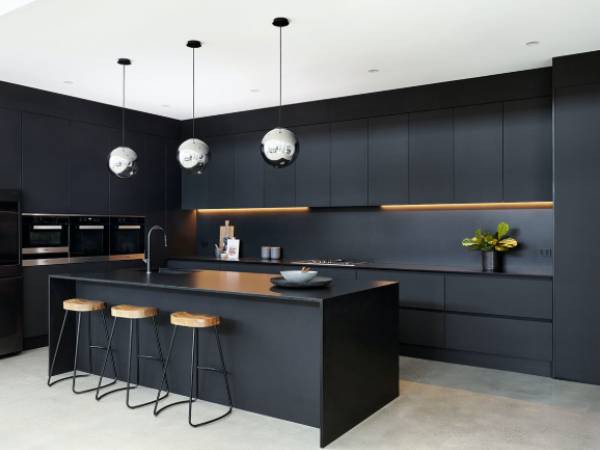
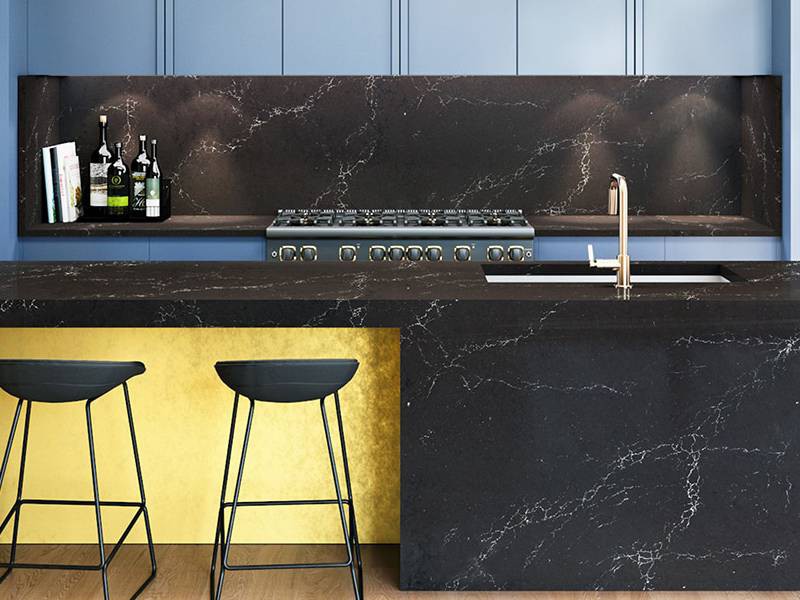
- 3cm quartz naturally delivers a solid, substantial look without additional edge buildup, which many designers prefer for modern kitchens.
In high-end residential and commercial projects, 3cm quartz is commonly selected for kitchen islands and bar counters where visual weight matters.
Application Matching: Residential vs Commercial Projects
Residential Kitchens
Both 2cm and 3cm quartz work well in residential kitchens.
- Apartments and multi-unit developments often favor 2cm quartz due to cost efficiency and ease of transportation.
- Custom homes and luxury villas typically choose 3cm quartz for its premium feel and simplified installation.
Commercial and Hospitality Projects
For restaurants, hotels, and high-traffic spaces, 3cm quartz is generally recommended. Its greater thickness offers better resistance to accidental impacts and heavy daily use, reducing long-term maintenance risks.

Installation and Fabrication Considerations
Thickness directly affects fabrication and installation planning.
- 2cm quartz requires precise substrate preparation, accurate leveling, and careful reinforcement around sinks and cooktops.
- 3cm quartz allows for faster installation, fewer structural layers, and reduced risk of failure if cabinet tolerances are slightly uneven.
For overseas buyers importing quartz slabs, 2cm thickness can reduce shipping weight and costs, but this advantage should be balanced against additional fabrication and installation expenses at the destination.
Cost Implications and Budget Planning
Material cost is typically lower for 2cm quartz, but total project cost should include:
- Substrate materials
- Additional labor for reinforcement
- Edge lamination or buildup
In some cases, 3cm quartz may result in a similar or even lower installed cost due to simpler installation and fewer processing steps.
Choosing the Right Thickness: Key Takeaways
There is no universal "best" thickness-only the right choice for the project.
Choose 2cm quartz if:
- Weight reduction is critical
- Budget control is a priority
- A substrate-based installation is acceptable
Choose 3cm quartz if:
- Structural strength is essential
- The design emphasizes a solid, premium appearance
- Installation speed and long-term reliability are priorities
Quartz countertop thickness plays a vital role in both performance and aesthetics. By aligning thickness selection with project requirements, buyers and designers can optimize durability, cost efficiency, and installation reliability. Whether choosing 2cm or 3cm quartz, proper planning ensures the countertop delivers lasting value throughout the project's lifespan.